Self-Sabotage: 9+ Signs, Causes, and How to Break the Cycle

Have you ever found yourself procrastinating on something important, turning down a great opportunity, or saying something you didn’t mean—only to later ask, “Why did I do that?” If so, you’re not alone. Many of us engage in behaviors that quietly (or loudly) get in the way of our own goals, dreams, and wellbeing. This frustrating pattern is known as self-sabotage.

Self-sabotage doesn’t mean you’re broken or lazy. In fact, it often comes from a place of deep fear, learned survival strategies, or a nervous system trying to protect you—even when that protection causes harm. The good news? These patterns can be understood, challenged, and changed.

In this article, we’ll explore what self-sabotage is, why it happens, how to recognize it, and most importantly, what you can do to break the cycle. Whether you’re aware of your patterns or just starting to connect the dots, this article will help you move from your role as saboteur to protector.

What Is Self-Sabotage?

Self-sabotage refers to behaviors or thought patterns that hold us back from achieving our goals, often without us realizing it. These behaviors might seem helpful or necessary in the moment, but they tend to reinforce cycles of shame, avoidance, or fear.

Signs of Self-Sabotage

Self-sabotage can be subtle, and it doesn’t look the same for everyone. Here are some common signs that you may be engaging in self-sabotaging behavior:

  • Procrastination or chronic avoidance
  • Setting unrealistic goals (and then feeling like a failure for not meeting them)
  • Negative self-talk and harsh self-criticism
  • Starting projects or relationships strong and then abruptly withdrawing
  • Sabotaging opportunities with perfectionism or last-minute panic
  • Feeling uncomfortable or unworthy when things are going well
  • Overcommitting and burning out
  • Turning to unhealthy coping strategies like substance use, excessive screen time, or emotional eating
  • Fear of asking for help or receiving support
  • Procrastinating on assignments1 or projects despite having enough time, then blaming lack of time for poor performance

These patterns often lead to a cycle of regret, shame, and more sabotage. Recognizing the signs is the first step toward interrupting the pattern, increasing self-awareness, and taking steps towards personal growth.

Why Do We Self-Sabotage?

Self-sabotage isn’t about weakness, there’s also no one form of self-sabotage. It’s usually a coping mechanism that may be getting in the way of personal and short-term or long-term goals.

Here are a few reasons self-sabotage might show up:

1. Fear of Failure (or Success)

If failure feels devastating, we might unconsciously create distance from our goals to avoid disappointment or to decrease vulnerability. Paradoxically, some experience fear of success.2 This is because success can be equally scary. It might mean change, pressure, or a shift in identity.

2. Low Self-Worth

If you carry the belief that you’re not good enough or don’t deserve good things, you might act in ways that reinforce that belief. This can include turning down opportunities, pushing people away, or giving up before you even begin.

3. Control and Predictability

Failing on our own terms can feel safer than risking the unknown. Self-sabotage can be a way of staying in control of outcomes, even painful ones.

4. Trauma and Protective Mechanisms

People who’ve experienced trauma3—especially relational trauma—may sabotage connection or progress as a way to stay emotionally safe. If thriving feels unfamiliar, the nervous system may respond with resistance.

When Should You Seek Help?

If self-sabotage is consistently interfering with your relationships, career, health, or mental wellbeing, it may be time to seek professional support. 

You don’t have to hit “rock bottom” to benefit from therapy, but if it’s leading you to struggle with things like low self-esteem, negative thoughts, self-doubt, low self-confidence, limiting beliefs, or with your mental health in general, it may be time to reach out.

Here are some signs that outside help could be beneficial:

  • You feel stuck in repetitive patterns you can’t break
  • You frequently regret your actions but don’t know how to change
  • Your inner critic feels overwhelming or cruel
  • Perfectionist behaviors are getting in the way of self-improvement or success
  • You avoid opportunities you deeply want out of fear
  • You feel anxious, depressed, or emotionally numb much of the time
  • You’re struggling to connect with loved ones or in your romantic relationships4
  • You feel unable to stop self-destructive or self-defeating behaviors
  • Negative beliefs and emotions lead you to experience overthinking, limit your own success, or disengage in self-care

You don’t have to figure it all out alone. Healing is possible—and you deserve support along the way.

How to Break the Cycle

Self-sabotage is sticky because it’s often unconscious, but the good news is you can overcome self-sabotage. The key is learning to recognize it, approach it with compassion, and slowly replace it with more aligned behaviors.

Strategies To Help You Stop Self-Sabotaging:

  • Build Awareness: Start by noticing your self-sabotaging patterns and doing some self-research. Take note: When do they tend to show up? What thoughts or feelings come with them? Journaling or working with a therapist can help make these patterns visible. Don’t be afraid to look up some books5 and resources on self-sabotage too!
  • Identify the Underlying Belief: What fear or belief is underneath the behavior? (e.g., “If I try and fail, I’ll prove I’m not good enough.”) Naming this belief is a powerful step toward challenging it.
  • Practice Self-Compassion: You’re not doing this to hurt yourself—you’re trying to protect yourself. Speak to yourself gently and have self-compassion.6 Ask: What do I need right now? Or What part of me is trying to help right now, even if it’s doing so in a harmful way?
  • Set Small, Sustainable Goals: When fear or overwhelm kicks in, large goals can feel paralyzing. It can help to break things down and tackle them in your own way through creating SMART goals.7 Celebrate progress, not perfection.
  • Work With a Professional: Psychotherapy can help uncover the roots of self-sabotage and create space for healing, especially if trauma or deep-seated self-worth issues are involved. Cognitive Behavioral Therapy can also be helpful to aid you with reframing your self-sabotage thinking patterns.

Self-sabotage can feel like an invisible barrier between you and the life you want—but it isn’t permanent. These behaviors often start as coping tools and can be unlearned with patience, support, and self-awareness. When you start to notice what’s driving your actions and gently challenge the beliefs that no longer serve you, change becomes possible. You don’t need to have it all figured out. Growth happens when you take steady, honest steps toward the life you want—without punishing yourself along the way.

If you’re ready to stop getting in your own way, consider working with a trauma-informed therapist or treatment program that can help you understand the roots of self-sabotage—and build a healthier, more supportive path forward.


FAQs

Q: What mental disorder is self-sabotage?

A: Self-sabotage is not a mental disorder in itself, but it can be a symptom or behavior pattern associated with several mental health conditions. These include depression, anxiety disorders, borderline personality disorder (BPD), post-traumatic stress disorder (PTSD), and attention-deficit/hyperactivity disorder (ADHD). It can also occur in individuals without a diagnosable condition, often as a learned coping strategy or result of unresolved emotional wounds.

Q: What is the meaning of self-sabotaging behavior?

A: Self-sabotaging behavior refers to actions (or inactions) that undermine your own success, well-being, or goals. These behaviors often emerge from unconscious fears, low self-esteem, or internalized beliefs that you’re unworthy of happiness or success. Even when the intention is to protect yourself from disappointment or failure, the result is usually increased frustration, regret, and emotional pain.

Q: How can therapy help with self-sabotaging behaviors?

A: Therapy helps by identifying the roots of self-sabotage—such as fear, trauma, or limiting beliefs—and providing tools to change those patterns. A therapist can help you increase self-awareness, challenge negative self-talk, and develop healthier coping strategies. In trauma-informed or cognitive-behavioral approaches, therapy also offers a safe space to build self-compassion and practice new ways of relating to yourself and your goals.

Q: Why do people engage in self-sabotaging behaviors?

A: People self-sabotage for a variety of reasons, most of which are rooted in fear, shame, or self-protection. Common motivations include:

  • Fear of failure or success
  • Low self-worth or imposter syndrome
  • Desire to stay in control of outcomes
  • Learned patterns from childhood or past trauma
  • Difficulty tolerating positive emotions or vulnerability

Q: Can self-sabotage affect my relationships?

A: Yes, self-sabotaging behaviors can significantly impact relationships. This might look like pushing people away when things feel too close, codependency, testing boundaries, being overly critical, or avoiding conflict until it explodes. People may unconsciously sabotage healthy connections due to fears of rejection, abandonment, or being “too much.” Over time, these patterns can create instability, miscommunication, or emotional distance. There is help available for you and your loved ones. Family therapy may be a beneficial treatment option to explore.
Signs of Emotional Trauma in Adults: 5 Behaviors That Might Signal a Need for Healing

Emotional trauma can affect every aspect of your life, often in ways you might not immediately recognize. Understanding these effects is the first step toward healing. This guide explores the physical, emotional, and behavioral signs of trauma that can help you identify how past experiences might be influencing your present. Learning to recognize these signs can be challenging at first, but it ultimately opens the door to recovery and renewed well-being. 

What Is Emotional Trauma?

Emotional trauma is a psychological response to a life-altering or distressing event. It can stem from many experiences, such as abuse, neglect, accidents, loss, or prolonged stress. While some people may recover with time and support, others may experience lingering effects that impact not only their mental health, but their emotional, and physical well-being.

Understanding the signs of emotional trauma and its impact on overall wellness is beneficial for everyone. Recognizing these signs is also the first step of the healing process. Even without a formal diagnosis, acknowledging trauma responses can open the door to recovery and improved quality of life.

Types of Emotional Trauma

Emotional trauma can take many different forms and can arise from various sources:

  • One-time traumatic event: Experiencing a natural disaster, car accident, assault, or witnessing a traumatic incident
  • Ongoing stressors: Chronic or long-term stressors like bullying, living in an unsafe environment, discrimination, prejudice, minority stress, chronic abuse or neglect
  • Childhood trauma: Family dysfunction, childhood abuse, or neglect
  • Combat or military trauma: Trauma sustained while in service as the result of combat or loss of comrades,including military sexual trauma (MST)
  • Sexual assault: Any nonconsensual sexual behavior or coercion
  • Medical trauma: Life-threatening illness, medical malpractice or negligence, chronic illness
  • Trauma from loss: Loss of a loved one, community members, or experiencing tragedy

How Trauma Manifests in Adults

Common signs of trauma can be broken down into 3 main categories: Physical, emotional, and behavioral. Each category includes many symptoms that can show up differently in your life. You might notice mostly physical signs like headaches or sleep problems, while someone else might primarily feel emotional effects such as anxiety or mood swings. These categories aren’t rigid—symptoms often mix together and affect each other. That’s why looking at the whole picture of your experience, rather than isolated symptoms, can be so helpful when understanding and healing from emotional trauma.

Physical Signs of Trauma

  • Chronic fatigue or tiredness
  • Insomnia or disturbances in sleep patterns
  • Headaches, migraines, or seizures
  • Muscle tension, stiffness, or chronic pain1
  • Gastrointestinal problems such as stomachaches, nausea, diarrhea, or irritable bowel syndrome (IBS)
  • Changes in appetite, including overeating or loss of appetite
  • Increased heart rate, heart palpitations, or chest pain
  • Shortness of breath, hyperventilation, or difficulty breathing
  • Dizziness, lightheadedness, or feeling faint
  • Skin problems such as rashes, acne, hives, or eczema

Emotional Signs of Trauma

The emotional impact of trauma can be profound and far-reaching, affecting how you process feelings, relate to others, and view yourself and the world around you.

Hypervigilance and Anxiety

Trauma survivors may remain in a heightened state of alertness, constantly scanning their environment for danger. This heightened state of the nervous system can manifest as restlessness, excessive worrying, difficulty concentrating, or a persistent sense of unease. Many people also experience anxiety disorders or panic attacks, characterized by rapid heartbeat, sweating, and difficulty breathing.2

Emotional Instability

People who have experienced emotional trauma often struggle with sudden and intense emotional shifts. They may feel overwhelming sadness, anger, guilt, or shame without an apparent cause. Mood swings, emotional numbness, or excessive crying can also indicate unresolved trauma. Survivors often say they feel their emotional reaction is not consistent with the situation.

Trouble Regulating Emotions

Emotional trauma can make it challenging to manage emotions effectively. Some people experience intense anger outbursts, frequent irritability, or extreme sensitivity to criticism. Others may feel emotionally numb, unable to experience joy or excitement.

Flashbacks and Intrusive Thoughts

Trauma can cause people to relive distressing memories through flashbacks, nightmares, or intrusive thoughts. These recollections can feel vivid and overwhelming, making it difficult to focus on daily life and triggering strong emotional or physical reactions.

Low Self-Esteem and Negative Self-Perception

Emotional trauma can distort yours self-image, leading to feelings of worthlessness, self-doubt, self-blame, or persistent guilt. Some survivors start to believe they’re undeserving of love, success, or happiness because of their past experiences.

Difficulty Trusting Others

Trauma can make it hard for survivors to trust people, even those who genuinely care for them. Fear of betrayal, abandonment, or manipulation can lead to difficulty forming or maintaining close relationships, often resulting in loneliness.

Dissociation and Memory Gaps

Some individuals cope with trauma by dissociating,3 which means disconnecting from their thoughts, emotions, or surroundings. They may feel detached from reality, experience memory gaps, or have trouble recalling important details about their trauma.

Behavioral Signs of Trauma

Trauma often reveals itself through changes in behavior and daily habits, creating patterns that can be observed by both you and those close to you.

1. Avoidance and Social Withdrawal

    Many adults with emotional trauma tend to avoid people, places, or situations that remind them of the traumatic event. They may withdraw from social activities, isolate themselves, or struggle with maintaining relationships due to fear of getting hurt again. Some may also isolate due to feeling misunderstood or embarrassed about their symptoms. 

    Trauma can significantly impact your social cognition4—your ability to navigate social situations and understand others’ perspectives. You might notice changes in how you empathize with others or interpret social cues, which can make you feel even more socially excluded and isolated. This creates a cycle where social withdrawal reinforces trauma symptoms, making relationship-building more challenging over time.

    2. Self-Destructive Behaviors

      To cope with emotional trauma, some people turn to unhealthy coping mechanisms such as substance use or abuse, reckless behavior, overeating, or self-harm. These behaviors may provide temporary relief but often exacerbate emotional pain in the long run. Suicidal thoughts can also occur, especially if the person feels overwhelmed by their trauma or unable to see a way out of their pain.

      3. Aggressive or Impulsive Behaviors

      If you’ve experienced trauma, you might notice you’re more emotionally reactive than before, sometimes having sudden anger outbursts or feeling confrontational. This isn’t your fault—it’s connected to your brain’s fight-or-flight response staying on high alert because of past trauma. This means even small frustrations can trigger intense reactions.

      These responses often serve as your mind’s way of protecting itself—perhaps helping you feel more in control when you’ve previously felt powerless, or expressing pain you haven’t been able to put into words. Over time, though, these patterns of trauma-related anger and impulsivity5 can strain your relationships, create problems at work or home, and even affect your physical health.

      4. Repetitive Behavior or Rituals

      Some trauma survivors may engage in repetitive behaviors or rituals, such as checking things obsessively, repeating certain actions, or engaging in compulsive behaviors to regain a sense of control or safety. This can sometimes be a way of coping with feelings of helplessness or anxiety.

      5. Difficulties in Daily Functioning

        When you’re dealing with trauma, even everyday tasks might feel overwhelming. You might notice it’s harder to focus at work or school, your productivity drops, or you miss deadlines because emotional distress keeps getting in the way. Your motivation might disappear too, leaving you feeling disconnected from goals that once mattered to you.

        Day-to-day responsibilities like paying bills, keeping up with personal hygiene, or handling household chores might start slipping as you battle exhaustion, depression, or feelings that things won’t get better. This creates a difficult cycle—avoiding tasks leads to more stress, which can deepen feelings of not being good enough or doubting yourself.

        Keep in mind that these struggles are common responses to trauma, not personal failings. Understanding this connection is an important step toward healing.

        Recovery From Emotional Trauma

        Recovering from emotional trauma is a deeply personal and often long-term journey. While the path to healing can be challenging, it is absolutely possible with patience, self-compassion, and the right strategies. Healing from emotional wounds requires not only addressing the immediate distress but also working through the underlying emotions and experiences that contribute to the pain. It’s important to understand that recovery is not linear—there will be ups and downs, but every step forward counts.

        Empowering Your Healing Journey

        Here are some steps to support your recovery progress:

        • Acknowledge your trauma: Accepting and validating your experiences is an important first step toward healing.
        • Process emotions at your own pace: Allowing yourself to feel the emotions tied to trauma is essential. It’s okay to cry, be angry, or feel overwhelmed. Emotional expression helps release pent-up feelings, making space for healing.
        • Seek professional help: Therapists and mental health professionals can provide guidance and coping strategies to manage trauma. Regular psychotherapy or formal trauma therapy can help decrease or resolve even long-lasting symptoms of emotional trauma.
        • Practice self-care: Engaging in activities like exercise, meditation, relaxation techniques, journaling, and hobbies can help improve mental well-being and aid in trauma recovery.
        • Structure your routines: As you progress in your healing process, you’ll regain stability and gradually restore your ability to function effectively in daily life.
        • Create healthy boundaries: Setting boundaries with people and situations that may trigger past trauma is vital in protecting your emotional well-being. Boundaries allow you to take control of your healing process without being overwhelmed by others’ demands or behaviors.
        • Connect with supportive people: Surround yourself with a trusted support system of friends and family members who provide a safe and understanding space.
        • Develop healthy coping mechanisms: Focus on positive ways to manage stress, such as deep breathing, mindfulness, a new hobby, or creative expression.
        • Be patient with yourself: Healing is not linear, and setbacks are a part of the process. Allow yourself grace and time to recover.

        Clinical Approaches to Emotional Trauma Healing

        There are now several trauma treatment options led by clinicians who specialize in treating trauma and trauma-related mental health conditions. These help people cope with emotional and psychological trauma effectively.

        • Cognitive behavioral therapy (CBT): Helps you reframe negative thoughts and develop healthier coping mechanisms
        • Cognitive processing therapy (CPT):6 A type of cognitive behavioral therapy (CBT) that focuses on helping individuals identify and challenge negative thoughts and beliefs related to their traumatic experiences
        • Eye movement desensitization and reprocessing (EMDR): A specialized therapy used to help process traumatic memories
        • Narrative exposure therapy (NET):7 A structured, short-term therapeutic approach designed to help people process and integrate traumatic experiences (especially effective for people who have experienced prolonged trauma)
        • Prolonged exposure therapy (PE): A form of CBT focused on confronting memories, feelings, and situations related to trauma in a controlled and gradual way
        • Dialectical behavior therapy (DBT):8 Combines cognitive-behavioral techniques with mindfulness practices. It is particularly effective for individuals who have difficulty regulating their emotions, which is common among those who have experienced trauma. DBT helps individuals develop skills in emotional regulation, distress tolerance, interpersonal effectiveness, and mindfulness.
        • Somatic therapy: Focuses on the connection between mind and body, helping to release stored trauma
        • Medication: In some cases, doctors prescribe antidepressants or anti-anxiety medications to help manage symptoms or other co-occurring mental health disorders
        • Group therapy and support groups: Provide a safe space to share experiences and receive support from others who have gone through similar struggles
        • Mindfulness and meditation: Techniques that promote relaxation and emotional regulation

        How Trauma-Informed Care Supports Your Healing

        Looking for healthcare providers who practice trauma-informed care (TIC) can be really helpful in your recovery journey. This approach isn’t a specific therapy type, but rather a philosophy where providers make a commitment to understand trauma’s effects and respond with sensitivity. When you find trauma-informed care, you’ll notice that providers create spaces where you feel safe, trusted, and respected, and they take special care to avoid triggering additional trauma during your treatment.

        Find Support for Your Healing Journey

        Recovering from emotional trauma takes time, patience, and often professional guidance. By recognizing the signs of trauma in your life and understanding that healing is possible, you’ve already taken an important first step. 

        If you’re struggling with the effects of emotional trauma, consider reaching out for professional support. The right treatment program can provide you with evidence-based therapies, compassionate care, and the tools you need to heal. 

        Ready to begin your healing journey? Find a trauma treatment program that’s right for you.


        FAQs

        Q: How do you know if you’re emotionally traumatized?


        A: Emotional trauma can show up as persistent feelings of fear, sadness, or helplessness. You may notice nightmares, flashbacks, difficulty concentrating, or a strong startle response. If these symptoms affect your daily life, it may signal unresolved trauma.

        Q: What does unresolved trauma look like in adults?


        A: Adults with unresolved trauma often struggle with trust, relationships, or regulating emotions. They may experience anxiety, depression, or substance use as ways to cope. A person living with trauma may avoid reminders of the event, feel hypervigilant, or withdraw from others. They may also seem irritable or easily startled.

        Q: What is emotional trauma?


        A: Emotional trauma is a response to distressing events that overwhelm a person’s ability to cope. It can affect thoughts, feelings, and physical health. Emotional trauma and psychological trauma are often used together to describe lasting harm to both emotional well-being and mental processes, such as memory or decision-making, after a distressing event.

        Q: What are the most common signs of childhood trauma in adults?


        A: Common signs include difficulty trusting others, low self-esteem, emotional reactivity, and challenges in relationships. Some adults also struggle with anxiety, depression, or substance use linked to early trauma.

        Q: How can I help a loved one with post-traumatic stress disorder (PTSD)?


        A: Offer consistent support, listen without judgment, and encourage professional care. Resources like therapy, peer support groups, and trauma-informed treatment programs can make a difference.

        Q: What are the long-term effects of emotional trauma in adults?


        A: Long-term effects may include chronic anxiety or depression, difficulty with relationships, substance use, and physical health problems. Some adults develop PTSD, a mental health condition that can develop after experiencing or witnessing trauma. Symptoms include intrusive memories, avoidance, negative changes in mood, and hyperarousal. With proper treatment, many people can heal and build resilience.

        What Is Self-Loathing? 4 Hidden Causes Behind Self-Rejection and What You Can Do to Stop It

        Self-loathing is a deep-seated sense of dislike or hatred toward yourself. It can show up as persistent self-criticism, shame, and a belief that you’re fundamentally flawed or unworthy. For many, it’s not just an occasional feeling. It’s a relentless inner voice that impacts their relationships, work, and how well you generally feel in your day-to-day life. 

        Let’s explore the roots of self-loathing, what it looks like in everyday life, and how to start healing.

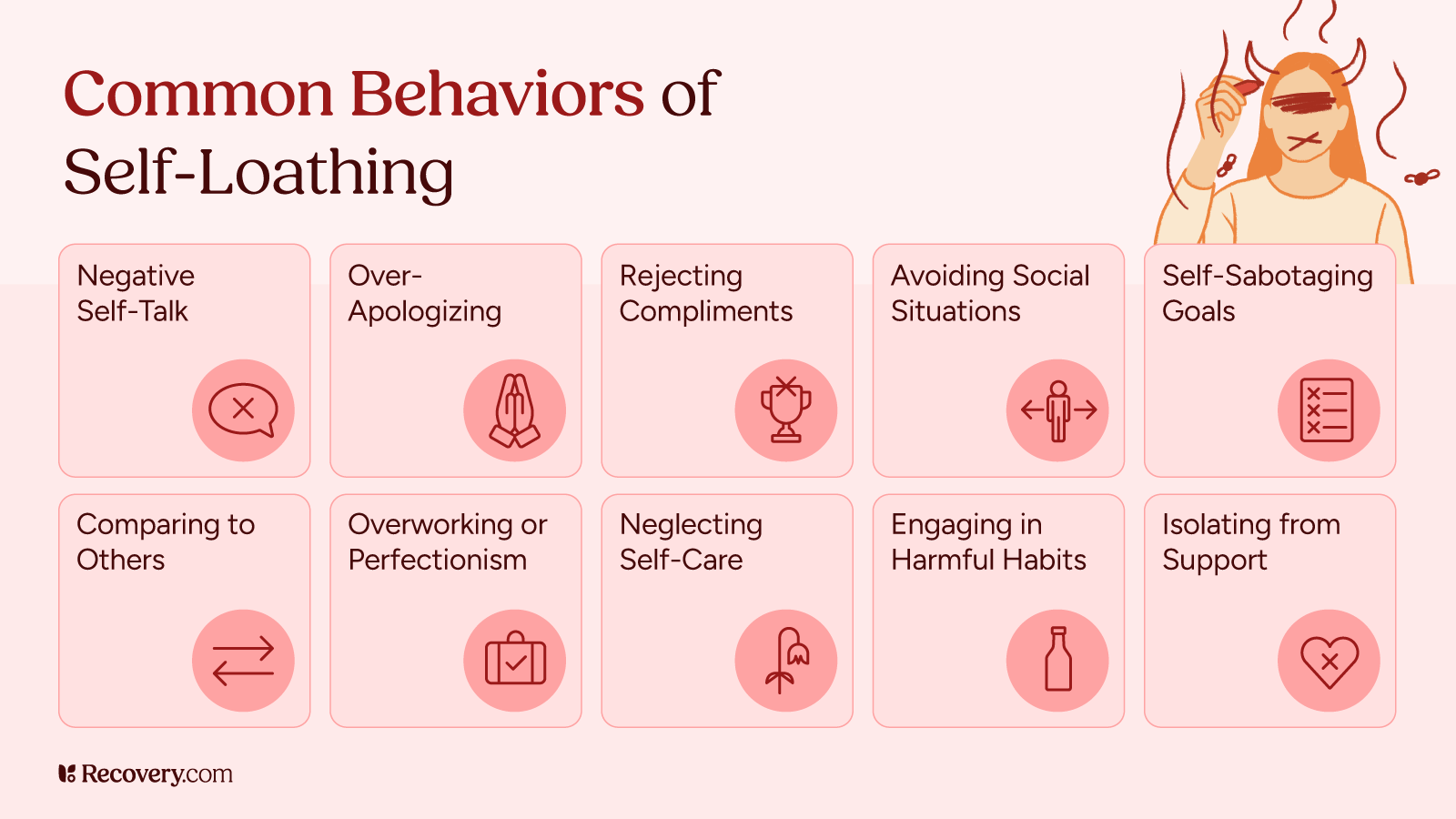
        Infographic titled Common Behaviors of Self-Loathing showing ten behaviors in rounded rectangles with icons: Negative Self-Talk, Over-Apologizing, Rejecting Compliments, Avoiding Social Situations, Self-Sabotaging Goals, Comparing to Others, Overworking or Perfectionism, Neglecting Self-Care, Engaging in Harmful Habits, and Isolating from Support.

        Beyond Bad Days: What Self-Loathing Really Means

        Self-loathing isn’t just feeling bad about a mistake or a bad day. It’s an ongoing internal narrative that says, “I’m not good enough,” “I’m a failure,” or “I don’t deserve love or respect.” This harsh self-judgment may be obvious or subtle. Either way, it shapes your thoughts, emotions, and behaviors.

        Self-loathing is often linked with mental health conditions like depression, anxiety, and complex trauma. It can lead to isolation, perfectionism, or self-destructive behaviors as you try to manage the pain of not feeling good enough.

        Do You Recognize These Self-Loathing Patterns?

        Signs of self-loathing1 can look different for everyone, but common examples include:

        • Constantly apologizing, even when you’re not at fault
        • Avoiding opportunities due to a belief that you’re not good enough
        • Harsh self-talk (“I’m so stupid,” “I ruin everything”)
        • Difficulty accepting compliments or kindness
        • Sabotaging your relationships or achievements
        • Feeling like a burden or imposter
        • Engaging in unhealthy coping behaviors like self-harm, binging and purging, poor sleep, lack of exercise, or substance use
        • Neglecting self-care
        • Having suicidal thoughts

        If any of these patterns feel familiar, you may be wondering how you got here in the first place. Recognizing these signs is the first step, but understanding where they come from is what leads to real healing.

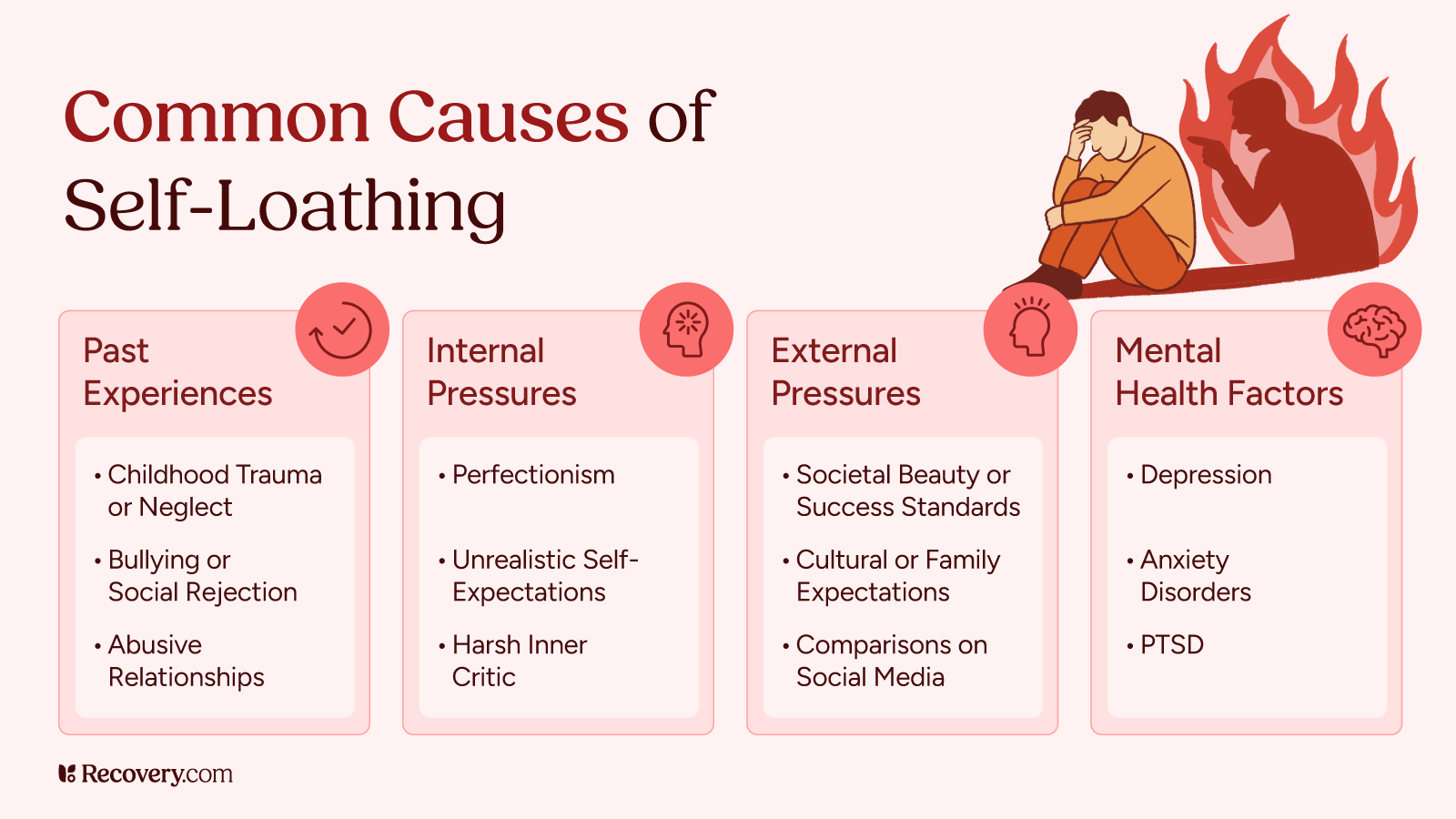
        Infographic titled Common Causes of Self-Loathing organized into four categories with icons. Past Experiences includes Childhood Trauma or Neglect, Bullying or Social Rejection, and Abusive Relationships. Internal Pressures covers Perfectionism, Unrealistic Self-Expectations, and Harsh Inner Critic. External Pressures lists Societal Beauty or Success Standards, Cultural or Family Expectations, and Comparisons on Social Media. Mental Health Factors mentions Depression, Anxiety Disorders, and PTSD. Shows illustration of person with dark shadow figure behind them.

        What Causes Self-Loathing?

        Self-loathing doesn’t develop overnight. It often grows over time through a combination of personal experiences, mental health challenges, and social conditioning. These are some of the most common contributing factors:

        1. Childhood Experiences

        Trauma and adverse childhood experiences2 leave lasting marks on how you see yourself. Physical, emotional, or sexual abuse, neglect, and bullying during childhood can deeply impact your self-worth, planting seeds of shame and unworthiness that grow over time.

        Growing up in families with negative dynamics also shapes your inner voice. When love feels conditional, criticism is constant, or emotional support is absent, you learn to internalize the belief that you’re flawed or unlovable. This becomes the foundation for low self-esteem, self-criticism, and that harsh inner critic that follows you into adulthood.

        Even without obvious trauma, a lack of support and validation can be damaging. When you don’t receive adequate emotional nurturing, empathy, or encouragement as a child, you struggle to develop a secure sense of self.3 This makes you more vulnerable to self-loathing later in life, as you never learned that you were inherently worthy of love and acceptance.

        If these resonate with you, our in-depth article on childhood trauma explores how these early wounds affect you as an adult—and what you can do about it.

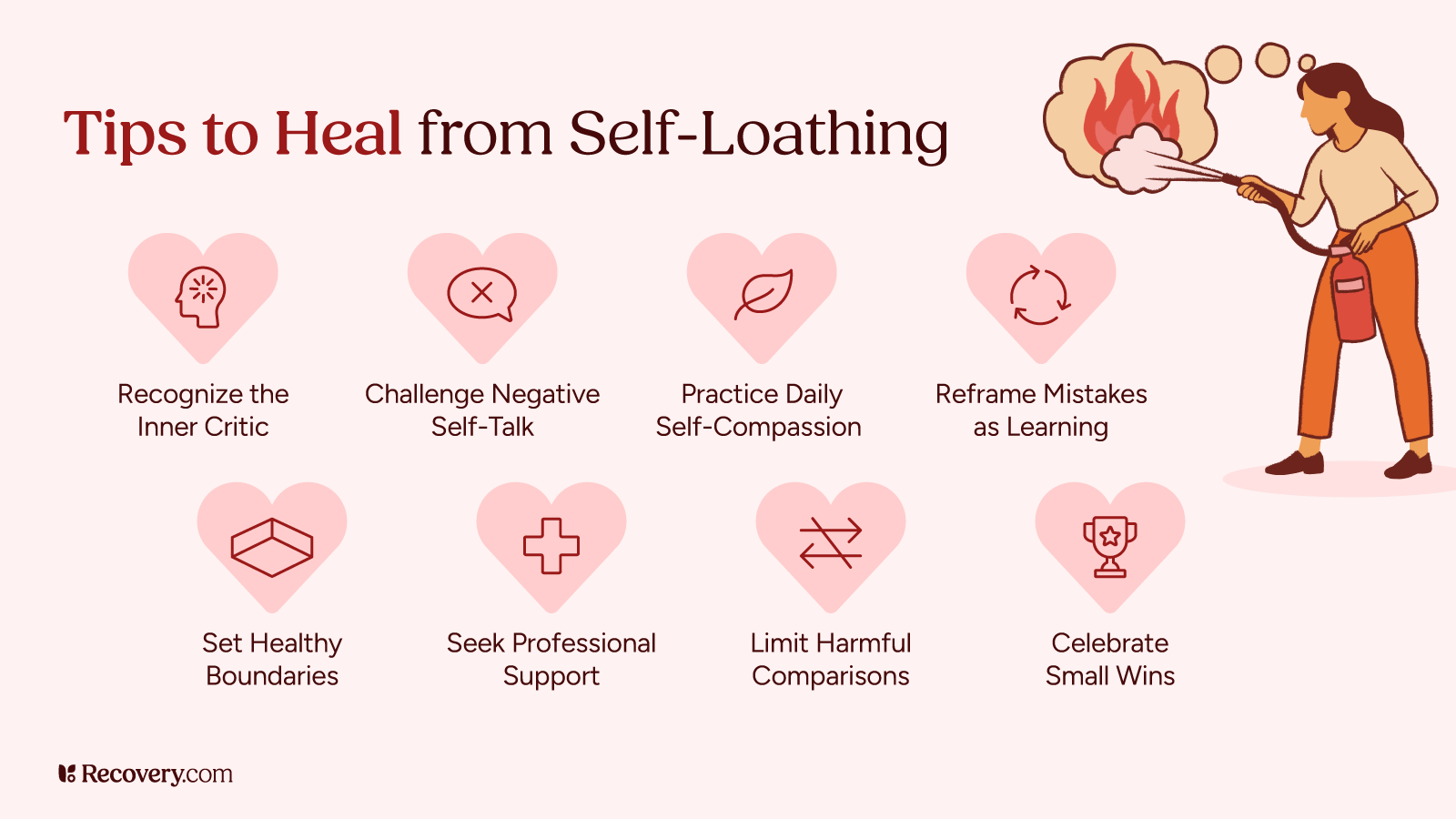
        Infographic titled Tips to Heal from Self-Loathing displaying eight heart-shaped tips with icons: Recognize the Inner Critic, Challenge Negative Self-Talk, Practice Daily Self-Compassion, Reframe Mistakes as Learning, Set Healthy Boundaries, Seek Professional Support, Limit Harmful Comparisons, and Celebrate Small Wins. Features illustration of person extinguishing flames with a fire extinguisher, symbolizing putting out self-destructive thoughts.

        2. Mental Health Conditions

        Anxiety and depression create the perfect storm for self-loathing.4 These common mental health conditions bring persistent negative self-talk, overwhelming guilt, feelings of hopelessness, and crushing low self-esteem—all of which feed into and reinforce the belief that you’re not good enough.

        Personality disorders, particularly borderline personality disorder (BPD),5 can intensify these feelings even further. The intense emotional pain, unstable sense of who you are, and chronic feelings of worthlessness that come with these conditions make self-loathing feel inescapable.

        Eating disorders like anorexia and bulimia are especially intertwined with self-hatred. The distorted body image and relentless perfectionism that drive these disorders fuel harsh self-criticism and can even increase thoughts of self-harm or suicide.6

        3. Social and Cultural Factors

        Social media and constant comparison7 culture have made self-loathing almost inevitable. In today’s hyper-connected world, you’re bombarded with curated highlight reels that make you feel like you’re not measuring up. This endless comparison can reinforce feelings of inadequacy and flood your mind with negative thoughts about yourself.

        Society’s obsession with perfection8 doesn’t help either. When you’re surrounded by messages that idolize flawless productivity, beauty, and success, you create impossible standards for yourself. And when you inevitably fall short of these unrealistic expectations, you may get stuck replaying your mistakes over and over in a cycle of harsh self-judgment.

        Bullying and marginalization leave deep scars that often turn inward. Whether it’s workplace exclusion, childhood bullying, or discrimination based on your identity, these experiences damage your self-esteem and teach you to internalize shame. 

        4. Other Sneaky Ways Self-Loathing Takes Hold

        Negative Self-Talk

        When you repeatedly tell yourself things like “I’m worthless,” “I’m a burden,” or “I hate myself,” those thoughts don’t just disappear—they become ingrained beliefs that shape how you see yourself. The more you repeat these patterns, the more real they feel.

        Unresolved Guilt or Shame

        Whether it’s something you did years ago or shame you’ve carried since childhood, these lingering feelings fester when left unaddressed. Over time, they can evolve into a broader self-hatred, making it hard to forgive yourself or move forward.

        Building a Kinder Inner Voice: Steps Toward Self-Love

        Healing from self-loathing is possible, but it requires time, patience, and often support. Here are some small steps you can start taking today:

        • Notice your self-loathing thoughts without judgment. Awareness and mindfulness are the first steps to shifting these patterns—you can’t change what you don’t see.
        • Challenge your negative self-talk. Replace harsh inner dialogue with more compassionate, realistic thoughts. This helps you change how you see yourself and reduces self-loathing behaviors.
        • Practice self-compassion. Learn to treat yourself with the same kindness you’d offer a friend or loved one. Self-love, self-acceptance, and self-confidence are key to overcoming self-hate.
        • Set boundaries with harmful people and environments. Protecting yourself from toxic influences means you’ll have less chances to reinforce negative self-beliefs.
        • Celebrate your small wins. Giving yourself credit for your progress starts to shift your internal narrative and ease self-doubt.
        • Build healthy relationships. Surround yourself with people who respect, affirm, and support you. These connections offer perspective and emotional safety, and remind you that you’re worthy of love.
        • Take good care of yourself. Caring for your physical and emotional health through sleep, nutrition, movement, creative expression, or spiritual connection supports a more balanced sense of self. Small, consistent acts of care send a message to yourself that you’re worth investing in.

        You Don’t Have to Do This Alone

        Self-loathing thrives in isolation, but healing happens in connection. Working with a mental health professional can be life-changing, especially when they’re trained in trauma-informed or compassion-focused approaches that get to the root of your pain.

        If you’re ready to break free from self-hatred, consider looking for a trauma-informed mental health treatment program that understands how past experiences shape your relationship with yourself.


        FAQs

        Q. What is self-loathing a symptom of?

        A: Self-loathing often signals depression, anxiety, complex trauma, personality disorders (especially borderline), or eating disorders. It can also come from internalized messages from childhood abuse, bullying, or discrimination. While not a diagnosis itself, it usually points to deeper emotional pain that needs attention.

        Q. What can I say to someone who is self-loathing?

        A: Respond with empathy, not correction. Try something like, “I hear how much pain you’re in—you don’t deserve to feel this way about yourself,” or “You’re not alone in this.” Avoid arguing with their feelings and instead validate their pain while gently reminding them of their worth.

        Q. What is the root cause of self-hatred?

        A: Self-hatred typically stems from early experiences of shame, rejection, trauma, or emotional invalidation. Children internalize negative messages that become part of how they see themselves. For many from marginalized or stigmatized communities, self-hatred may also come from internalized oppression or cultural rejection. It’s rarely one event—it’s usually a pattern of being made to feel “not good enough” or unworthy of love.

        Q Is self-loathing a defense mechanism?

        A: Sometimes, yes. It can develop as protection against rejection: a belief that if you reject yourself first, it won’t hurt as much when others do. While this might have helped you survive painful experiences in the past, over time, it can block your growth and healing.

        Q. Can I overcome feelings of self-loathing?

        A: Absolutely. Self-loathing is treatable through therapy, self-compassion, healthy relationships, and challenging negative thought patterns. It takes time, but you can unlearn the belief that you’re unworthy. You’re not broken, you’re hurting, and healing is something you deserve.

        Do I Have Body Dysmorphia? 13 Signs You Shouldn’t Ignore

        It’s normal to have days when we feel uncomfortable in our own skin. But for some, those feelings go far beyond everyday insecurity. If you find yourself obsessing over perceived flaws in your appearance—flaws that others may not even notice—you might be wondering if it’s something more serious.

        Body dysmorphic disorder (BDD) is a mental health condition that affects the way people see and think about their bodies, often causing them significant distress and interfering with their daily life. In this article, we’ll explore what body dysmorphia really is, how to recognize the signs, and when it’s time to seek support.

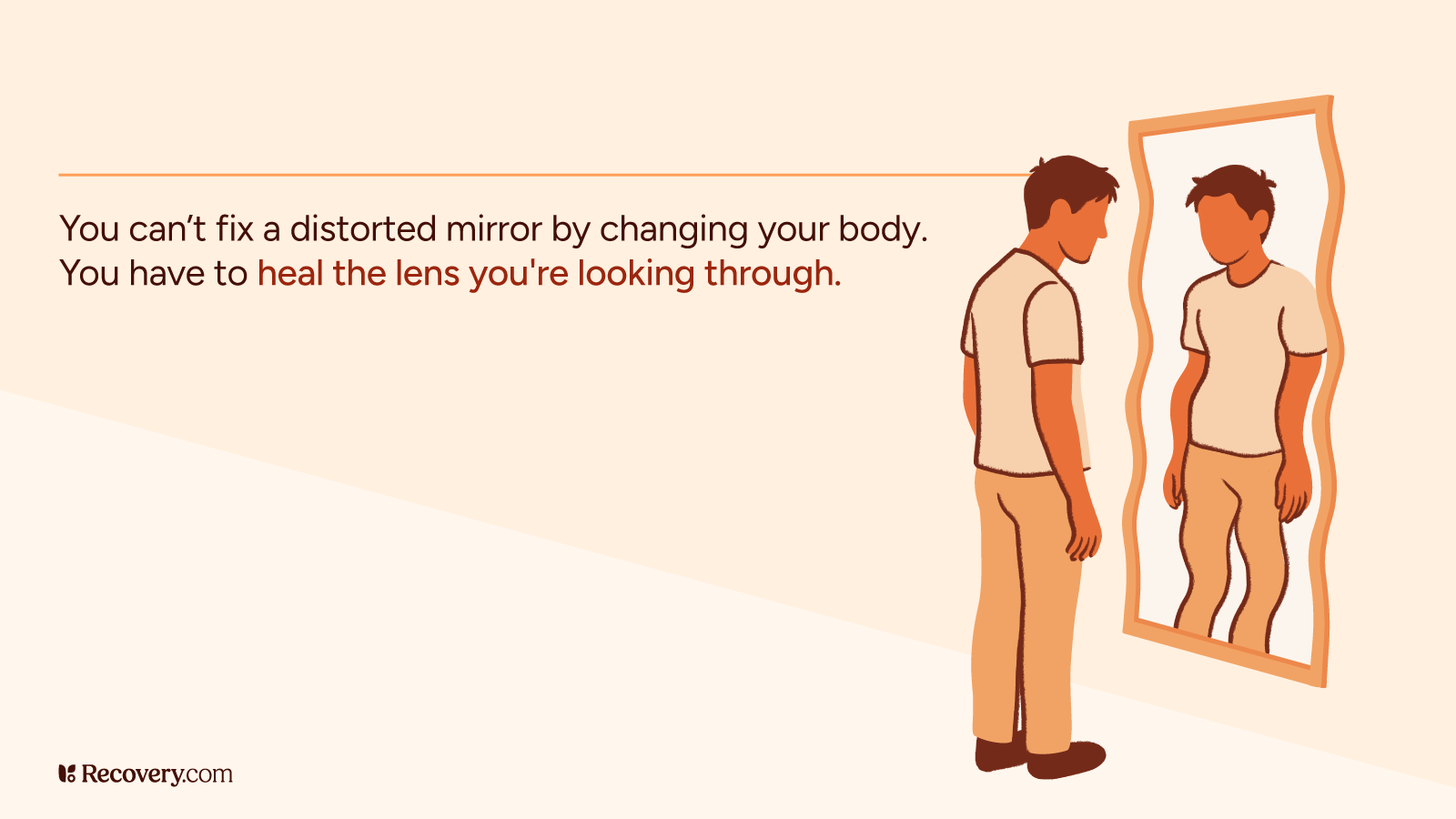
        Mental health awareness illustration featuring a person looking at their distorted reflection in a mirror, accompanied by quote: You can't fix a distorted mirror by changing your body. You have to heal the lens you're looking through.

        What Is Body Dysmorphia?

        Body dysmorphic disorder (BDD)1 is a mental health condition “where a person experiences a preoccupation with a perceived defect or flaw in one’s physical appearance when, in fact, they appear normal.”

        People with BDD tend to fixate on specific body parts or features, most commonly the skin, nose, hair, or body shape. This obsessive focus often leads to repeated behaviors such as mirror checking, grooming, or comparing themselves to others in an attempt to “fix” or hide the flaw. It can also cause the person a lot of stress.

        What sets BDD apart from general body dissatisfaction is the intensity and persistence of these thoughts. The distress caused by the perceived imperfection can interfere with your daily life, relationships, and emotional well-being.

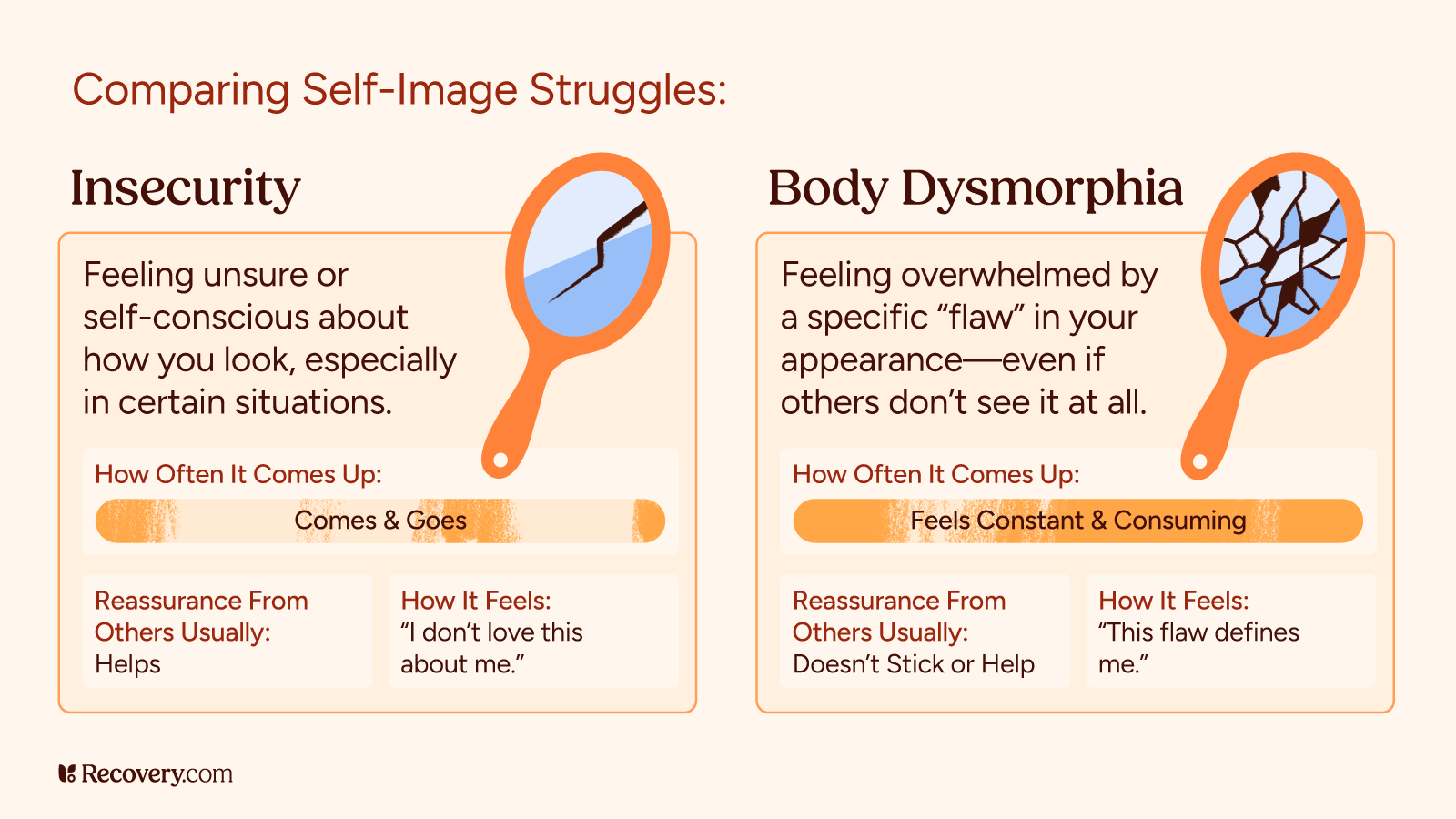
        Body dysmorphia vs insecurity comparison infographic explaining self-image disorders, frequency patterns, and reassurance responses for mental health awareness.

        BDD isn’t just about wanting to look better or not being happy with a part of your body. It’s about feeling unable to stop thinking about the flaw, no matter how many times others reassure you or how much effort you put into changing it.

        Signs and Symptoms of BDD

        Many people struggle for years before realizing their intense appearance concerns have a name—recognizing these signs of BDD2 can be validating and the first step toward getting help: 

        1. Excessive Worry About a Specific Part of the Body

        People with BDD experience intense, uncontrollable worry about a particular body part. They feel unable to calm or manage these concerns, no matter how hard they try.

        2. Hiding or Concealing Perceived Flaws

        People with BDD go to great lengths to conceal the area they’re focused on. They use hats, scarves, makeup, strategic clothing, or certain hairstyles to mask or distract from the perceived imperfection.

        3. Dismissing Compliments or Reassurances

        It feels impossible to believe when loved ones say you look fine or beautiful. People with BDD often dismiss positive feedback, convinced that others are just being kind or dishonest.

        4. Avoiding Social Situations

        Intense self-consciousness or shame leads to skipping school, work, dates, or social events. The fear of being seen or judged becomes overwhelming and interferes with normal activities.

        5. Feeling Distress Over Photos

        Many people with BDD feel extreme anxiety or panic at the thought of having their picture taken. They fear that images will highlight or expose their perceived flaw to others.

        6. Engaging in Repetitive Appearance-Related Behaviors

        These behaviors include frequently checking mirrors or avoiding them entirely, skin picking, excessive grooming, or constantly trying to “fix” the perceived flaw. People may spend hours using makeup, adjusting clothing, or even seeking cosmetic procedures.

        7. Seeking Constant Reassurance

        People with BDD repeatedly ask friends, family, or even strangers for validation about their appearance. They hope to feel better, though any relief is typically short-lived and the need for reassurance returns quickly.

        8. Constantly Comparing Yourself to Others

        People with BDD obsessively compare their appearance to others on social media or in real life. These comparisons often leave them feeling inferior or deeply flawed, reinforcing their negative self-perception.

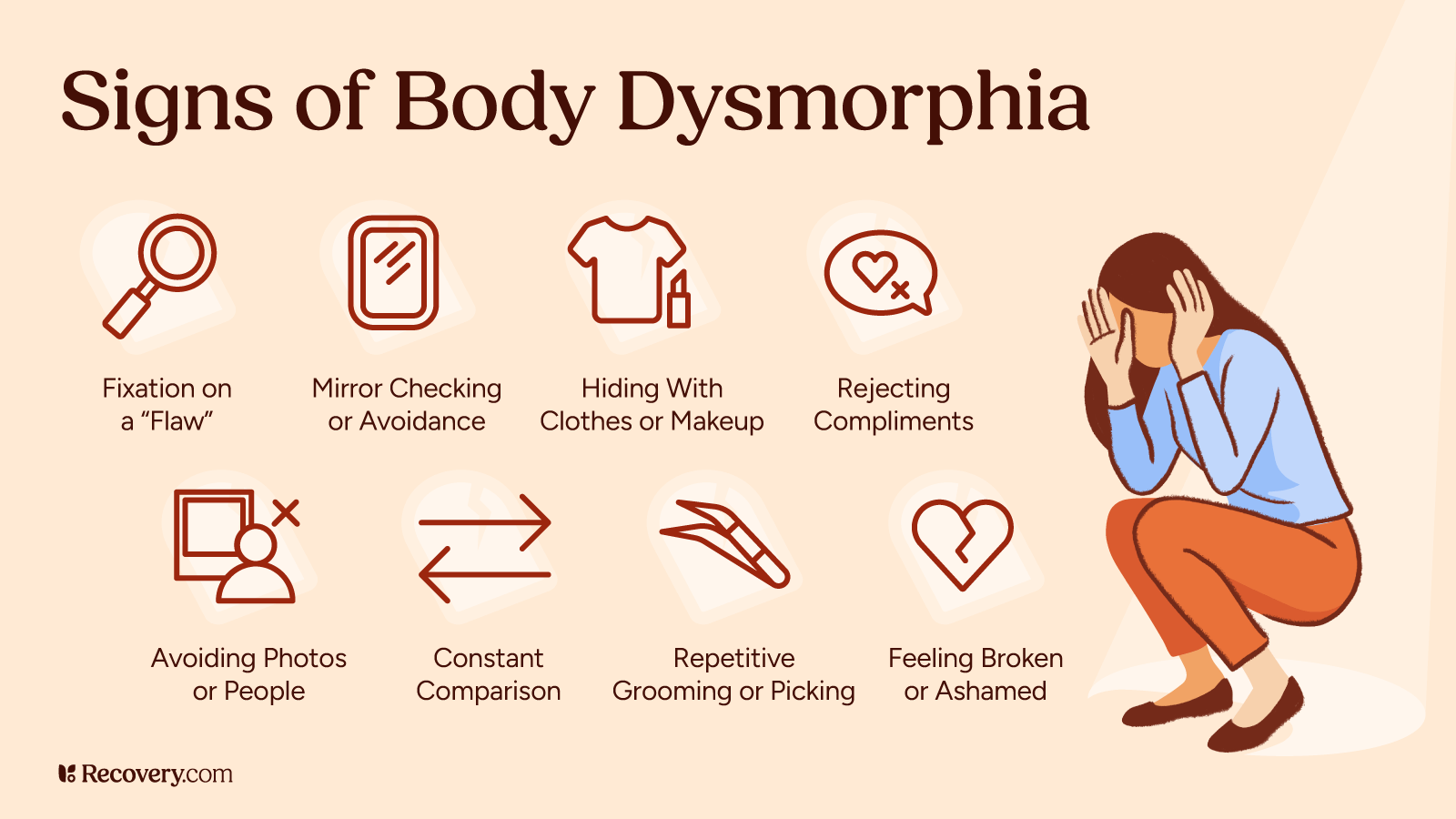
        Mental health infographic displaying signs of body dysmorphia including fixation on flaws, mirror checking, hiding with clothes, rejecting compliments, avoiding photos, constant comparison, repetitive grooming, and feeling ashamed.

        9. Feeling Defined by the Perceived Flaw

        It’s common for someone with BDD to believe that their “flaw” makes them unlovable, broken, or even repulsive. This belief persists despite reassurances from others who don’t see the same imperfection.

        10. Overexercising or Overtraining

        Some people have muscle dysmorphia,3 which involves a preoccupation with the idea that their body build is too small or insufficiently muscular. This may lead to excessive exercise, steroid use, or unhealthy supplement usage in an attempt to control their body’s appearance.

        11. Seeking Multiple Healthcare Providers

        People with BDD visit numerous dermatologists, cosmetic surgeons, or other specialists in search of a “fix” for their perceived flaw. They continue this search even after being told repeatedly that nothing is wrong.

        12. Undergoing Unnecessary Cosmetic Procedures

        Some people pursue plastic surgery or aesthetic treatments that aren’t medically needed. These procedures rarely provide lasting relief and may worsen distress when the results don’t “solve” the internal struggle, often causing the obsession to shift to different body parts.

        13. Having Thoughts of Self-Harm or Suicide

        In severe cases, the emotional pain becomes overwhelming and leads to feelings of hopelessness and worthlessness. Some people may experience thoughts of self-harm or suicide as a way to escape the distress caused by their body image concerns.

        Thoughts of suicide and self-harm are serious warning signs that should never be ignored. If you or someone you know is experiencing these thoughts, seek immediate help by calling the 988 Suicide & Crisis Lifeline (call or text 988) or contact your local emergency services. Remember that these feelings are symptoms of the disorder, not a reflection of reality, and professional help can provide relief.

        Could I Have Body Dysmorphia? A Quick Self-Reflection Quiz

        This brief quiz is based on common diagnostic criteria and clinical observations from the DSM-5-TR used to identify body dysmorphic disorder (BDD).4 It’s not a diagnostic tool, but it can help you reflect on whether your body image concerns may warrant further support from a mental health professional.

        Instructions

        For each statement, answer Yes or No.

        1. Do you often worry about a specific part of your appearance that others say looks fine or don’t seem to notice?
        2. Do you frequently check mirrors, photos, or reflective surfaces to look at this area of concern?
        3. Do you avoid social situations, photos, or video calls because of how you feel about your appearance?
        4. Do you spend more than an hour a day thinking about your appearance or trying to “fix” your flaw?
        5. Have you tried to hide or cover up this part of your body with makeup, clothing, or accessories?
        6. Do you seek frequent reassurance from others about how you look, but rarely feel reassured?
        7. Have you seen multiple doctors, dermatologists, or plastic surgeons about this concern?
        8. Have you ever felt hopeless, depressed, or had thoughts of self-harm related to your appearance?

        Scoring

        • 0–2 “yes” answers: You may have occasional appearance concerns, which are common.
        • 3–5 “yes” answers: Your concerns might be affecting your quality of life. It may be helpful to talk to a therapist.
        • 6+ “yes” answers: You may be experiencing signs consistent with body dysmorphic disorder. Consider seeking professional support.

        Note: This quiz is inspired by the Body Dysmorphic Disorder Questionnaire (BDDQ) and clinical criteria in the DSM-5. It is for educational use only and is not a substitute for a professional diagnosis.

        What Causes Body Dysmorphic Disorder?

        The exact cause of body dysmorphic disorder (BDD) is not fully understood, but several risk factors5 are believed to contribute:

        • Genetics: A family history of BDD, obsessive-compulsive disorder (OCD), or other mental health conditions may increase the risk.
        • Brain chemistry: Imbalances in serotonin, a neurotransmitter that affects mood and anxiety, may play a role.
        • Trauma or bullying: Negative experiences, such as childhood trauma or being bullied for appearance, can increase the likelihood of developing BDD.
        • Cultural factors: Societal pressures and unrealistic beauty standards in media can exacerbate body image concerns and may contribute to the development of BDD.

        When Should You Seek Help?

        If you’re experiencing any of the signs or symptoms of body dysmorphic disorder (BDD), it’s important to know that you don’t have to manage it alone. While everyone has moments of insecurity or self-doubt, BDD can be overwhelming and may require professional support to manage.

        Here are some signs that it’s time to seek help:

        The Distress Affects Your Daily Life

        If your preoccupation with your appearance is interfering with your ability to work, study, maintain relationships, or enjoy social activities, it’s a clear indication that your body image concerns may be more than just a passing insecurity.

        Repetitive Behaviors Are Difficult to Control

        If you find yourself unable to stop behaviors like mirror checking, skin picking, or seeking constant reassurance, and these actions are consuming a significant amount of time each day, it might be time to reach out for help.

        Seeking Medical or Cosmetic Treatments Does Not Bring Relief

        If you’ve tried multiple cosmetic procedures, seen various healthcare providers, or spent significant time and money trying to “fix” a perceived flaw, but continue to feel unsatisfied or worse, this is a signal that the issue is rooted in a deeper psychological concern, not a physical flaw.

        Reassurance From Others Doesn’t Ease Your Anxiety

        If loved ones consistently reassure you that you look fine or that your concerns are unfounded, but you continue to feel distressed, it may indicate the need for professional intervention. BDD is not about vanity—it’s a mental health issue that requires treatment.

        Self-Harm or Suicidal Thoughts Arise

        If you experience thoughts of self-harm or suicide due to your appearance or body image distress, it is critical to seek immediate support. These thoughts are a sign of the severe emotional toll BDD can have and should be addressed by a mental health professional right away.

        How Is BDD Treated?

        Seeking help is a positive step toward healing. Body dysmorphic disorder (BDD) can be a challenging condition to manage on your own, but effective treatment options6 are available. The goal of treatment is to help people recognize and address the distorted thoughts and behaviors that fuel their distress, allowing them to improve their quality of life.

        Common treatment approaches for BDD include:

        Cognitive Behavioral Therapy (CBT)

        Cognitive behavioral therapy helps people challenge distorted thoughts and behaviors related to their body image concerns. This evidence-based approach teaches patients to recognize and change negative thought patterns that fuel their distress. 

        Medication

        Medication can be a helpful part of treatment, particularly when someone also has symptoms of related disorders like anxiety, depression, or obsessive-compulsive disorder (OCD), which often co-occur with BDD. Psychiatrists also commonly prescribe a class of antidepressants called selective serotonin reuptake inhibitors (SSRIs) to help manage these symptoms. While medication can provide relief from the emotional distress and obsessive behaviors associated with BDD, it’s usually most effective when combined with psychotherapy.

        Support Groups

        Participating in support groups can be beneficial for people struggling with BDD. Being able to share experiences with others who understand the challenges of living with BDD provides emotional support and a sense of community. These groups offer a safe space to discuss body image struggles and help people feel less isolated in their journey toward recovery.

        Family Therapy & Education

        BDD can significantly impact your relationships, making it incredibly helpful to involve family members in the treatment process. Family therapy helps your loved ones understand the condition and learn how to provide positive, supportive responses. Educating family members about the nature of BDD reduces misunderstandings and helps them better support your recovery journey.

        Lifestyle Changes

        Exercise, mindfulness, and relaxation techniques can help manage the anxiety and stress that often accompany BDD. Regular physical activity improves mood, boosts self-esteem, and reduces compulsive behaviors. Mindfulness practices such as meditation or deep breathing exercises help individuals manage intrusive thoughts and stay grounded in the present moment, rather than becoming fixated on appearance-related concerns.

        Getting the Help You Deserve

        If you recognize these signs in yourself, remember that BDD is a real and treatable condition: You’re not being vain, and you’re not alone in your struggle. 

        Taking the step to acknowledge these symptoms shows incredible strength and self-awareness. Reaching out to a mental health professional who specializes in body image disorders or BDD can be life-changing. With the right support and treatment, you can find relief from the distressing thoughts and behaviors that have been controlling your life, and start to see yourself with greater compassion and clarity.


        FAQs

        Q. How is BDD different from low self-esteem or insecurity?

        A. While many people experience occasional doubts about their appearance, BDD involves obsessive, uncontrollable thoughts about perceived flaws that consume hours each day and significantly interfere with daily functioning. Unlike general insecurity, BDD typically focuses on specific body parts and drives compulsive behaviors like excessive mirror checking, grooming rituals, or seeking multiple cosmetic procedures. The emotional distress is much more severe than typical self-esteem issues and can lead to social isolation, depression, and in severe cases, thoughts of self-harm.

        Q. Am I insecure or do I have body dysmorphia?

        A. While insecurity about appearance is common, BDD involves obsessive, overwhelming thoughts about perceived flaws that significantly interfere with your daily life, relationships, and functioning. If your appearance concerns consume hours of your day or cause you to avoid social situations, it may be more than typical insecurity.

        Q. Do people with body dysmorphia realize they have it?

        A. Many people with BDD are unaware of their condition and don’t recognize that their perception of their appearance is distorted. The shame and isolation associated with BDD makes it difficult to see that their concerns are excessive, and they often believe others notice their perceived flaws just as intensely as they do.

        Q. Can you self-diagnose body dysmorphia?

        A. You cannot reliably self-diagnose BDD, as it requires identifying complex patterns of thought and behavior that are difficult to recognize in yourself. While you may notice some symptoms, only a mental health professional can properly diagnose BDD, rule out other conditions, and recommend appropriate treatment.

        Q. Is it body dysmorphia or dysphoria?

        A. The correct term is “body dysmorphia” or “body dysmorphic disorder (BDD),” not “body dysphoria.”

        Q. How is an eating disorder different from BDD?

        A. Eating disorders primarily focus on weight and food intake, while BDD involves obsessive preoccupation with specific body parts or features like skin, nose, or hair that are unrelated to weight.

        Q. How do I help a loved one showing signs of body dysmorphia?

        A. Approach them with patience and empathy and avoid phrases like “it’s not a big deal” that minimize their concerns. Gently encourage professional help from a mental health specialist, offer to help them find a therapist, and provide emotional support while emphasizing that professional treatment is necessary for recovery.