What Should I Do After Treatment? 6 Essentials for Life in Recovery

Completing a treatment program is a major accomplishment, but it’s only the beginning. Addiction and mental health recovery is about more than abstinence or even symptom management. Long-term recovery requires planning, support, and new strategies for managing life outside of a structured environment.

This guide explores what comes next and how to build a sustainable path to well-being. Treatment is just the beginning of an exciting, new, and healthy life, one that is supported by personal growth and ongoing care.1

1. The Importance of Aftercare

What happens after discharge can make or break your recovery journey. Relapse rates or recurrence of use for substance use disorder are comparable to other chronic conditions, such as hypertension and type 2 diabetes. These conditions, like addiction, require ongoing care.

Aftercare refers to the structured support and treatment options that follow residential treatment or inpatient programs. Research shows that individuals who engage in aftercare services have higher abstinence rates and fewer relapse episodes.2 These services extend the recovery process by offering continued care,3 structure, and accountability as individuals transition back into everyday life.

Whether you’ve completed detox, inpatient rehab, or another form of substance use disorder treatment, an aftercare plan provides the scaffolding needed for long-term success.

You may also have experienced a relapse or recurrence of use. This can be a normal part of the recovery process. An important thing to remember is that you can always reconnect with your aftercare plan and continue your recovery journey no matter what setbacks occur.

Types of Aftercare Plans

There is no one-size-fits-all recovery path.4 The most effective treatment plans are personalized based on your substance use history, mental health conditions, and social circumstances.
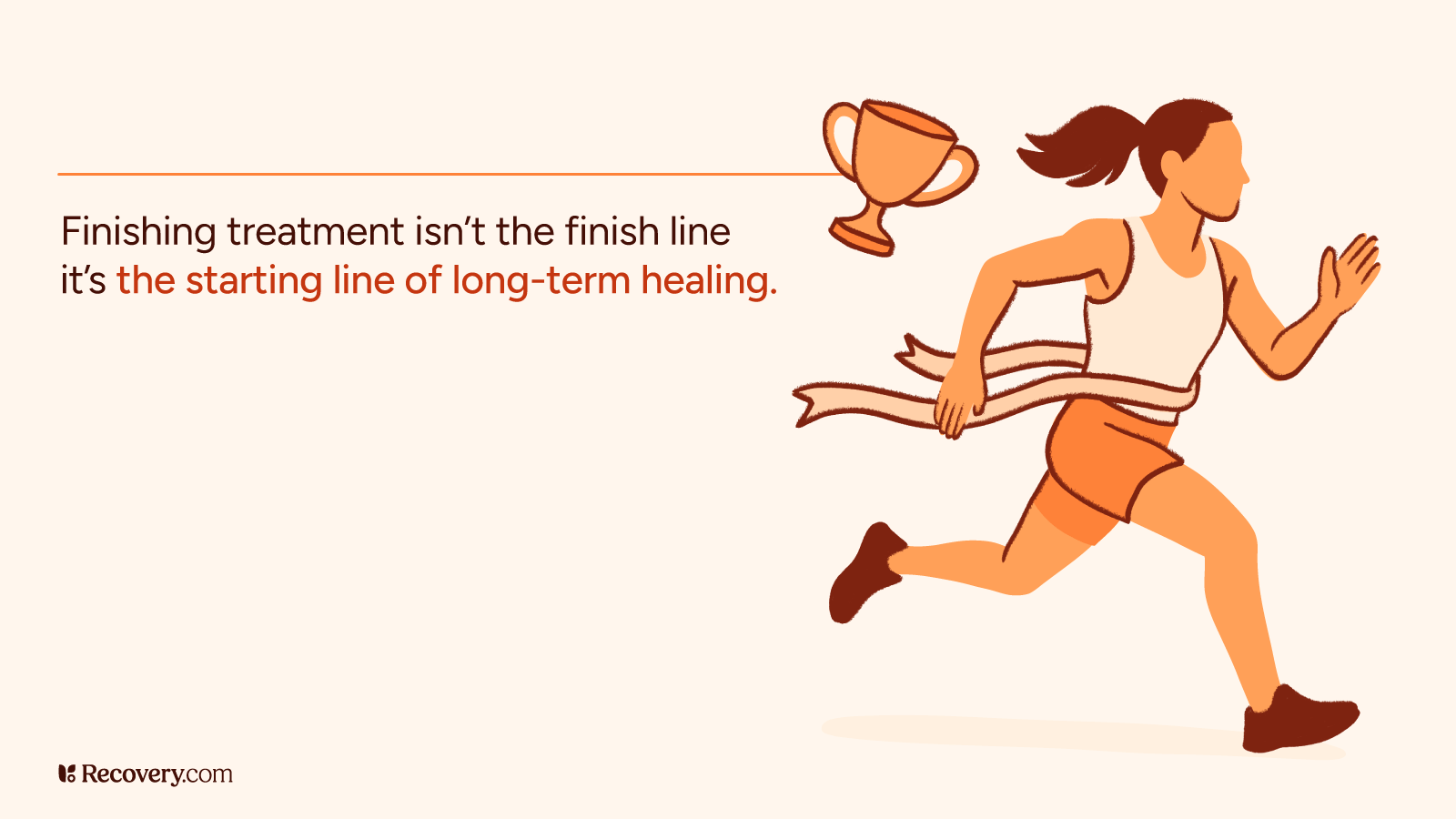
Illustration of a woman crossing a finish line ribbon with a trophy icon and motivational quote that reads, Finishing treatment is not the finish line, it is the starting line of long-term healing, symbolizing recovery and ongoing healing after addiction or mental health treatment.

Common Aftercare Options Include:

  • Outpatient therapy: Includes ongoing therapy sessions with a licensed mental health professional or addiction counselor. Cognitive behavioral therapy (CBT),5 trauma-informed care, and dialectical behavior therapy (DBT) are evidence-based approaches that can reduce relapse risk and enhance coping skills.
  • Intensive Outpatient Programs (IOPs): These structured programs6 offer therapy and group support several times a week without requiring overnight stays, helping bridge the gap between inpatient care and independent living.
  • Sober living homes: Transitional residences for individuals in recovery. These environments support a drug-free lifestyle and promote peer accountability,7 reducing the risk of early relapse.
  • Recovery coaching: One-on-one support from a trained peer who offers lived experience, goal setting assistance, and motivational guidance. Recovery coaching is increasingly recognized as an effective form of community-based support.
  • Medication-assisted treatment (MAT): For those with opioid or alcohol use disorder, medications like methadone, buprenorphine, or naltrexone8 can reduce cravings and support recovery. MAT has been shown to reduce overdose risk and improve long-term outcomes.

Aftercare should be initiated before discharge, with referrals made by healthcare providers or treatment centers to ensure continuity of care.
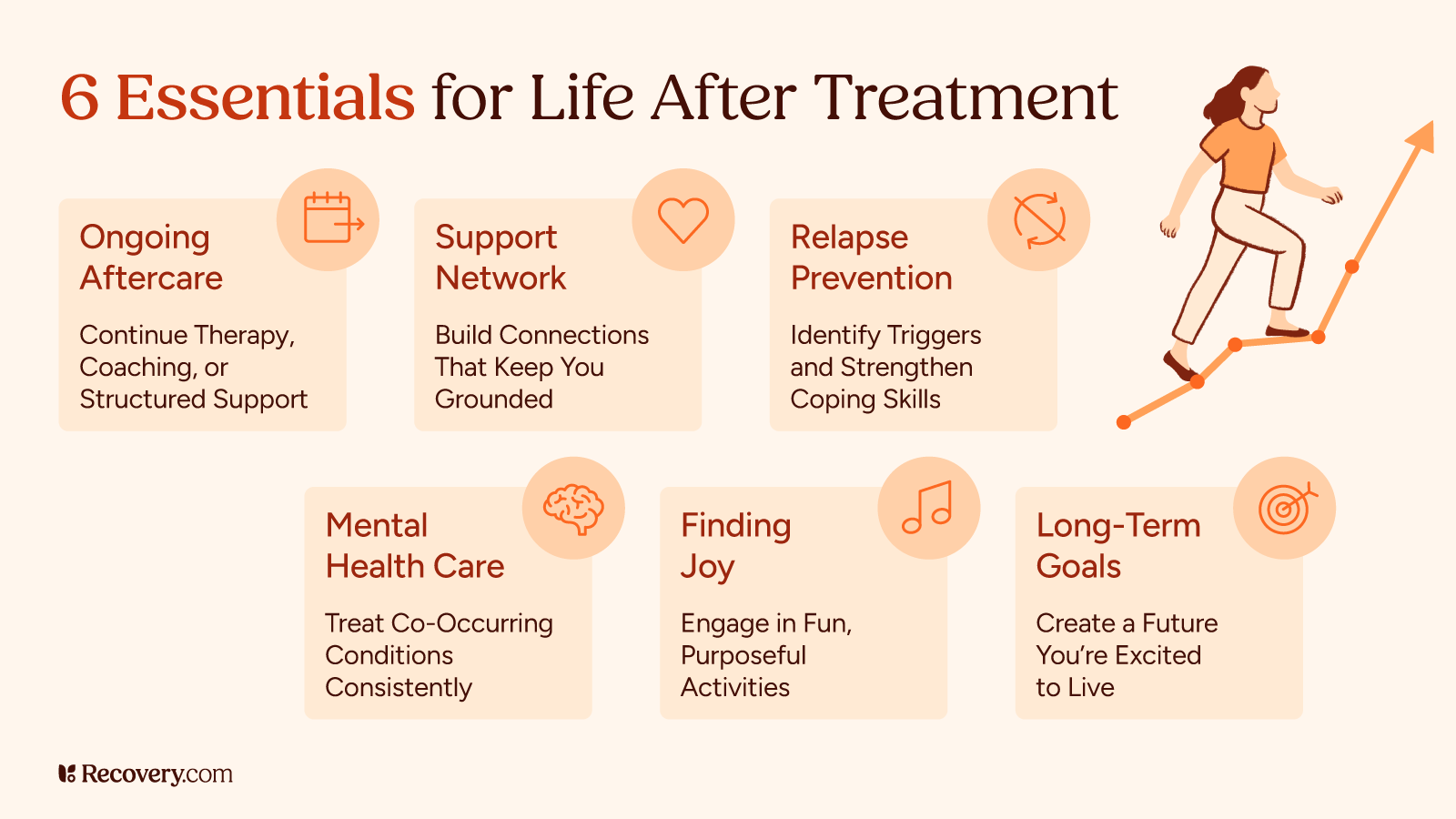
Infographic titled 6 Essentials for Life After Treatment featuring tips for maintaining recovery like ongoing aftercare, support network, relapse prevention, mental health care, finding joy, and long-term goals. A woman climbs an upward arrow symbolizing growth and progress, with Recovery.com branding.

2. Building a Support Network

No one recovers alone. A strong support system improves mental health, lowers relapse risk, and offers a sense of belonging during difficult times.

Recovery Support May Include:

  • Sponsors and mentors: Individuals in long-term recovery who guide and support you through 12-step programs like Alcoholics Anonymous (AA) or Narcotics Anonymous (NA). These relationships offer accountability and shared experience.
  • Alumni groups: Many treatment centers host alumni events and meetings to help former clients stay connected and inspired.
  • Family involvement: Family therapy helps loved ones understand addiction, rebuild trust, and become active allies in recovery. Evidence supports family therapy as a tool for improving communication and reducing substance use.
  • Online communities: Virtual meetings,9 support forums, and recovery apps can provide round-the-clock encouragement and connection.

3. Relapse Prevention Strategies

Preventing relapse isn’t just about avoiding drugs or alcohol—it’s about recognizing what leads to cravings and having tools ready to respond. The American Society of Addiction Medicine emphasizes the importance of proactive relapse prevention planning in sustaining recovery.

Core Relapse Prevention Tools:

  • Trigger identification: Learn what situations, emotions, or environments increase your risk of substance use. Triggers may include stress, isolation, boredom, or reconnecting with old social circles.
  • Coping mechanisms: Practice evidence-based strategies such as mindfulness, breathing techniques, journaling, and physical activity. These approaches have been shown to reduce anxiety and improve emotional regulation.10
  • Accountability systems: Regular check-ins with sponsors, recovery coaches, or behavioral health professionals help you stay grounded and committed.
  • Emergency plans: Create a “lifeline” contact list of trusted people you can reach out to when struggling. Have a plan for how to manage high-risk situations and cravings.

If a relapse does occur, it’s important to seek support and adjust your recovery plan. Relapse is not failure—it’s an opportunity for learning and recalibration.
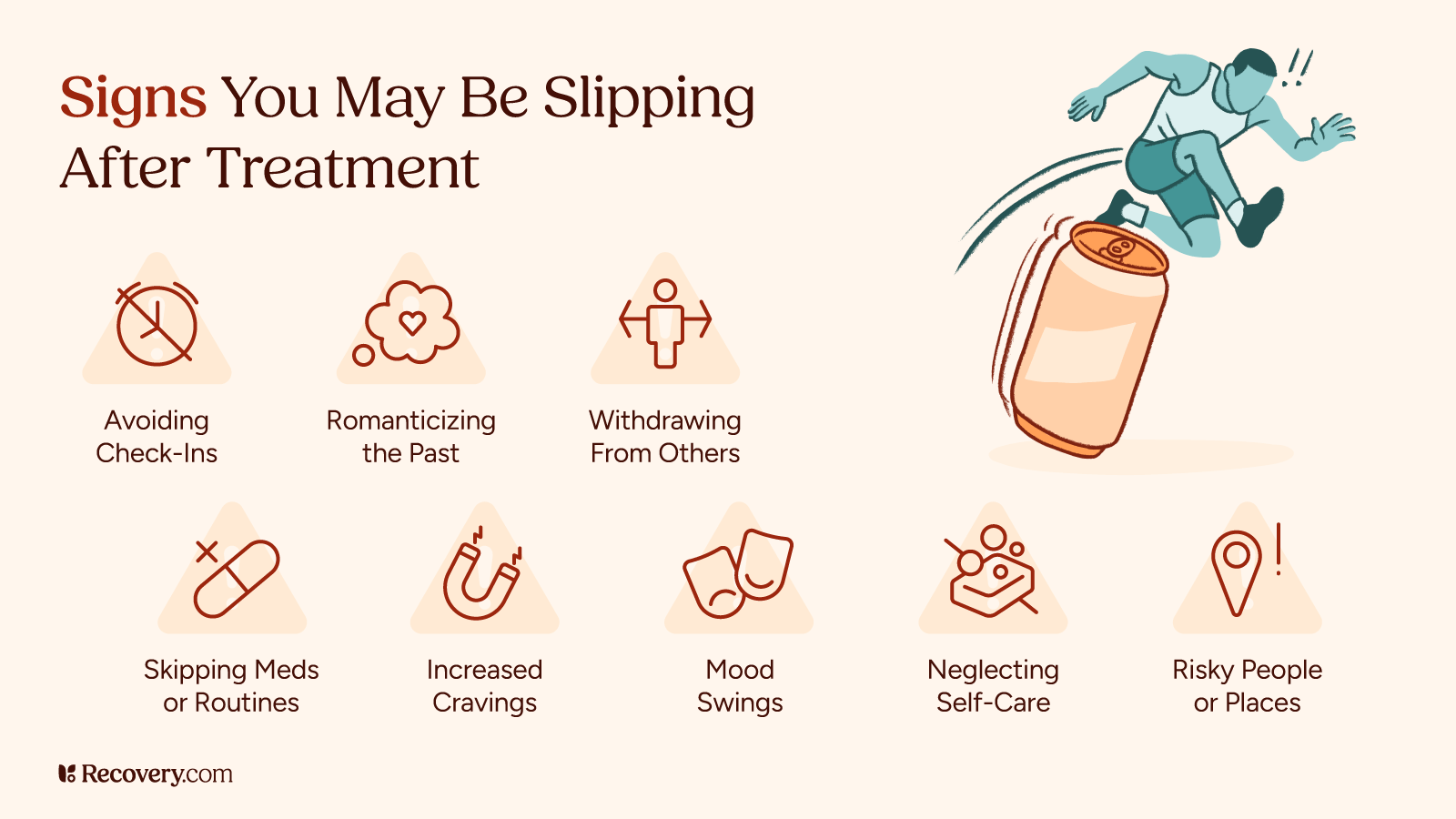
Infographic titled Signs You May Be Slipping After Treatment showing a person tripping over a can, with warning signs of relapse including avoiding check-ins, romanticizing the past, withdrawing, skipping medication, increased cravings, mood swings, neglecting self-care, and engaging with risky people or places.

4. Staying Connected to Purpose

Recovery isn’t just about what you leave behind, it’s about what you move toward. Rediscovering or creating meaning in your life provides long-term motivation and strengthens your identity beyond addiction.

Ways to Reclaim Purpose:

  • Volunteering or service work: Studies show that helping others11 can reduce depressive symptoms and improve life satisfaction.
  • Pursuing education or skills training: Reengaging with learning fosters self-efficacy and goal-setting.
  • Spiritual or religious practice or mindfulness: Spirituality and mindfulness-based interventions like yoga or meditation have been shown to support recovery and reduce relapse risk.
  • Goal setting: Establishing short- and long-term goals helps you track progress, stay motivated, and shape a positive vision of your future.

Rebuilding relationships, embracing new interests, or engaging in creative expression can all play a role in nurturing your recovery identity.

5. Managing Mental Health Long-Term

Many individuals in recovery also live with co-occurring mental health disorders such as depression, anxiety, PTSD, or bipolar disorder. Treating these conditions is essential to maintaining stability and avoiding relapse.

Key Mental Health Strategies:

  • Medication management: Work closely with your healthcare provider to monitor prescriptions, especially if you’re taking medications for mood, anxiety, or medication-assisted treatment.
  • Routine check-ins: Consistent appointments with a licensed mental health professional can catch emerging issues before they escalate.
  • Lifestyle habits: Sleep hygiene, balanced nutrition, regular exercise, and creative or spiritual outlets all support mental wellness.
  • Ongoing therapy: Continued engagement in evidence-based therapy (e.g., CBT or trauma-informed approaches) fosters long-term emotional resilience and healing.

If you or a loved one needs additional support, visit Recovery.com.

6. Embrace Joy and Live Life to the Fullest

Recovery isn’t just about avoiding what hurts, it’s about discovering what lights you up. Fun, play, and new experiences are not only allowed in recovery—they’re essential.

Rediscovering joy can help reinforce the value of staying sober, reduce stress, and reconnect you with a sense of purpose beyond survival. Studies show that engaging in positive leisure activities can improve emotional regulation, reduce depressive symptoms, and increase life satisfaction for people in recovery.

Ways to Add Fun to Your Recovery Life:

  • Try something new: Join a hiking group, take a cooking class, or explore local art or music scenes.
  • Laugh often: Watch comedies, play games, or surround yourself with people who bring out your playful side.
  • Celebrate your wins: Acknowledge milestones, no matter how small. Treat yourself to sober rewards.
    Travel or explore: Even a weekend trip or a walk in a new park can break routine and spark joy.
  • Stay curious: Reignite your creativity through hobbies like painting, writing, dancing, or DIY projects.

Joy is not a luxury in recovery—it’s part of the medicine. The more you engage with life fully, the more recovery becomes a life worth staying in.

A Lifelong Journey

Recovery is not a destination; it’s a lifelong process that evolves with you. Life after treatment is filled with choices—some easy, some hard—but with a solid aftercare plan, community support, and a commitment to growth, lasting recovery is possible.

Whether you’re managing cravings, rebuilding relationships, or adjusting to life outside residential treatment, know this: your story is still being written, and help is always available.

Explore trusted mental health programs that offer long-term care, flexible options, and evidence-based approaches tailored to your needs.


FAQs

Q: What is the most effective mental health treatment?


A: The most effective treatment varies based on the diagnosis and individual needs. However, evidence-based approaches like cognitive behavioral therapy (CBT), medication management, and integrated care models have proven effective across a range of mental health conditions. Combining therapy, lifestyle changes, and social support typically leads to the best outcomes.

Q: What is the next step after rehab?


A: After completing rehab, the next step is engaging in a structured aftercare plan. This may include outpatient therapy, sober living arrangements, support groups, recovery coaching, and ongoing medical or psychiatric care. These steps help maintain progress and reduce the risk of relapse.

Q: What is the most successful treatment for addiction?


A: The most successful treatment often combines medication-assisted treatment (MAT) for conditions like opioid or alcohol use disorder, behavioral therapies, and peer support. Long-term success is linked to individualized care, consistency, and engagement in recovery support services

Not sure how to find the best treatment for you? Read more here.

Q: What are the types of substance use disorder?


A: Substance use disorders can involve different substances, including alcohol, opioids, stimulants, cannabis, sedatives, and hallucinogens. Each type varies in severity and may require specific treatment approaches based on the substance used and the individual’s mental health history.

Q: What is substance abuse treatment?


A: Substance use disorder treatment is a structured approach to helping individuals stop or reduce harmful substance use. It may involve detox, inpatient or outpatient care, therapy, medication, and peer support. Treatment plans are typically customized to address both addiction and any co-occurring mental health conditions.

Q: Can I force my family member into treatment?


A: In some states, involuntary treatment is possible under specific legal criteria if the person poses a risk to themselves or others. However, voluntary engagement in treatment is generally more effective. Encouraging open dialogue, expressing concern, and offering support can sometimes motivate a loved one to seek help.

Q: Did the substance abuse treatment fail because of complications from your mental health issue or vice versa?


A: Co-occurring disorders can complicate recovery if not treated simultaneously. If mental health issues go unaddressed, they can contribute to relapse. Integrated treatment that addresses both substance use and mental illness improves the chance of lasting recovery.

Q: Does relapse to drug use mean treatment has failed?


A: No. Relapse is a common part of the recovery process and does not mean failure. It often indicates that the treatment plan needs to be adjusted. Ongoing support, re-engagement in care, and learning from relapse experiences are key to moving forward.

Q: How do behavioral therapies treat drug addiction?


A: Behavioral therapies like CBT, contingency management, and motivational interviewing help individuals change harmful thought patterns, build coping skills, and reinforce positive behaviors. These therapies are often used alongside medication and peer support to address the root causes of addiction.

Q: How can I maintain my mental health and sobriety after treatment?


A: Maintaining recovery includes regular therapy, support group participation, medication adherence (if prescribed), and consistent self-care. Healthy routines, stress management, and a strong support network also play vital roles in preventing relapse and sustaining mental wellness.

Q: How can I support my recovery journey after completing addiction treatment?


A: You can support your recovery by staying connected to your support system, setting meaningful goals, attending follow-up appointments, practicing mindfulness, and engaging in activities that bring purpose. Recovery is a lifelong journey, and maintaining motivation is key to long-term success.
Starting Recovery Right: How to Find Mental Health and Addiction Treatment

Reaching out for help takes courage—and you’ve already shown that by being here. Whether you’re dealing with addiction, mental health concerns, or both, we know how overwhelming it can feel to find the right care. But you don’t have to figure this out alone. We’ll walk you through your options so you can feel empowered to make the choices that feel right for you.

A quick note about us: Recovery.com is an independent organization that helps people find quality care. We don’t own any treatment centers or take payments to recommend them. Our mission is simple: To give you honest, straightforward information so you can make the best choices for your recovery.

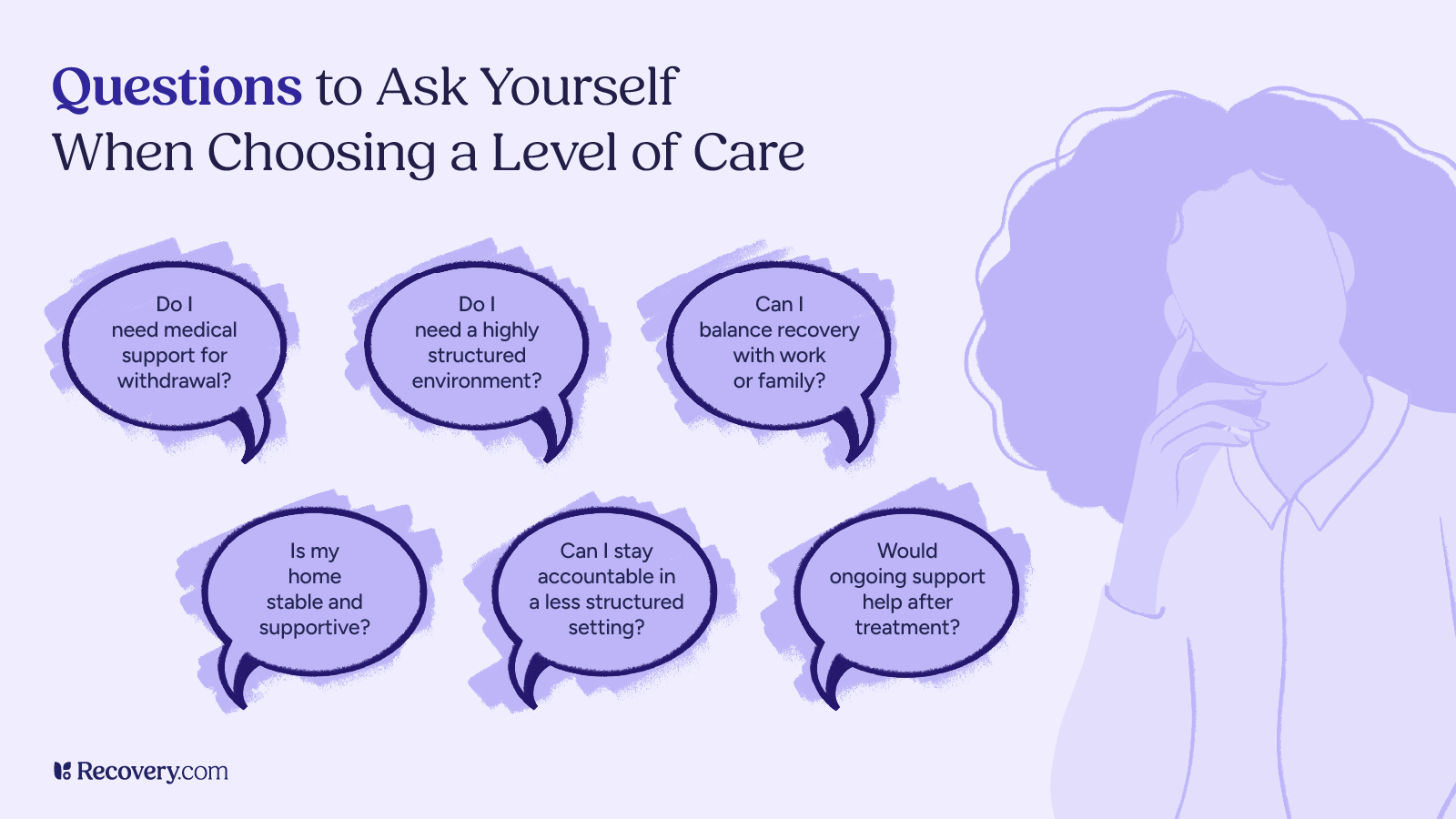
Infographic titled Questions to Ask Yourself When Choosing a Level of Care. It features six questions in speech bubbles about medical support, structure, accountability, stability at home, balancing recovery with responsibilities, and ongoing support. A silhouette of a thoughtful person appears on the right.

Understanding Types of Treatment

Recovery programs offer different levels of care to match your needs. Here’s what you need to know about each option:

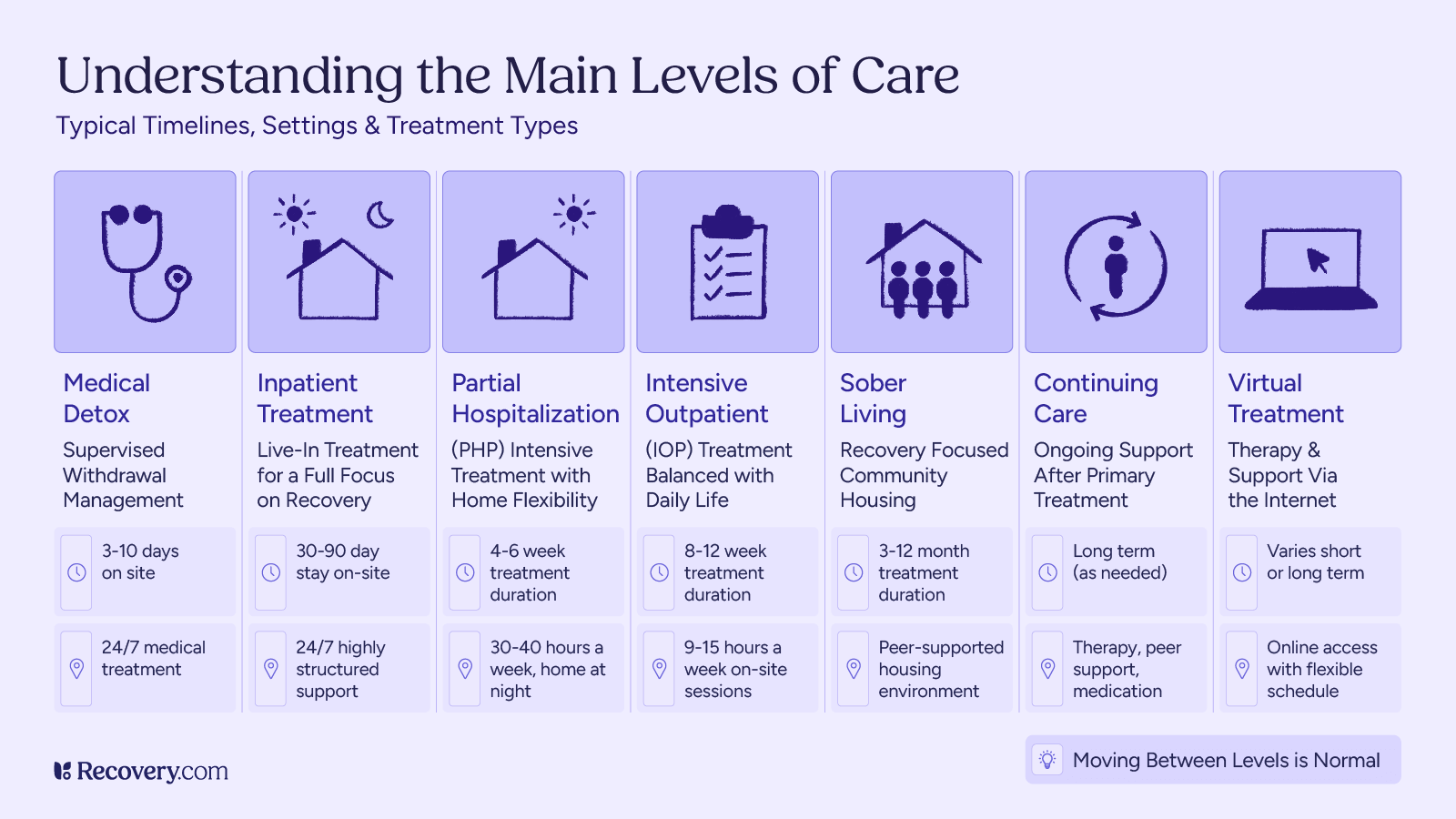
Medical Detox: Getting Started Safely

If you’ve been using alcohol, opioids, or benzos regularly, starting with medical detox isn’t just helpful—it’s crucial for your safety. Detox is a safe landing pad where caring medical staff help ease you through those first challenging days. Many treatment centers offer detox onsite, or they can connect you with trusted detox centers nearby.

Have questions about the detox process? Our detox FAQ covers everything you need to know about starting treatment safely.

Inpatient (Residential) Rehab

This is what most people think of as “rehab”—you live at a treatment center while focusing completely on your recovery. It’s like pressing pause on daily life so you can concentrate on healing, with 24/7 support from qualified healthcare professionals. Inpatient programs usually run 30-90 days, and you can stay longer if needed.

Want to learn more about what residential treatment is really like? See our detailed guide to what happens in residential rehab.

What is the best way to find mental health and addiction treatment?

It often takes a few tries to find someone who really gets you. I always recommend starting with therapist directories, and don’t underestimate the power of asking trusted friends, family, or other healthcare providers for referrals. Look for someone who feels attuned to your needs. It’s okay if you don’t click with the first person; fit matters, and it’s worth finding someone who truly feels like a good match.

– Amanda Stretcher, MA, LPC-S | Crescent Counseling

Infographic titled Understanding the Main Levels of Care, outlining seven addiction treatment options: medical detox, inpatient treatment, partial hospitalization, intensive outpatient, sober living, continuing care, and virtual treatment. Each level includes typical timelines, settings, and support details. A note at the bottom highlights that moving between levels is normal.

Partial Hospitalization Programs (PHP): The Middle Ground 

Want intensive support but need to sleep in your own bed? Day treatment might be right for you. You’ll spend your days in treatment (usually 30-40 hours weekly) but head home each evening. It’s ideal if you have a stable home life or you’re stepping down from residential care but want to keep that strong support system.

Intensive Outpatient Programs (IOP): Flexibility Meets Structure

IOPs are great when you need to balance recovery with real life. You’ll attend treatment 3-5 days a week for a few hours each day, getting solid support while maintaining your daily routine. Many people choose this option when they have work or family commitments they can’t step away from.

Not sure whether you need day treatment or intensive outpatient? Our guide breaks down the key differences between PHPs and IOPs.

Sober Living: Your Recovery Community

Think of sober living as your home base for recovery after completing primary care treatment. You’ll live with others who get what you’re going through, in a substance-free environment that supports your new life. It’s perfect when you want that extra layer of support or need a fresh start.

Continuing Care: Growing Stronger

As you move forward, your needs will change—and that’s totally normal. Your care team will help you build a plan that grows with you, whether that’s regular therapy check-ins, medication support, or practical help with life skills.

Wondering what happens after rehab? Our guide to continuing care explains how to build lasting support for your recovery journey.

Virtual Treatment: Recovery at Your Fingertips

While online health services aren’t for everyone (especially if you need detox or round-the-clock support), they are making care more accessible than ever. If transportation is tough or you need extra scheduling flexibility, virtual options might be just what you’re looking for.

What to Look for in a Treatment Provider

When you’re looking at treatment programs, it helps to know what sets the great ones apart from the rest. Let’s start with one of the most important things to check—their credentials.

All About Licensing and Accreditation 

Accreditation is a stamp of approval from organizations that check healthcare providers for quality and safety. Good programs will have their credentials proudly on display and be happy to talk about them. Not sure about a program’s credentials? You can always double-check them through your state’s licensing board or the Joint Commission’s website.

Here are the important ones to look for:

  • The Joint Commission: This is the gold standard in healthcare. When you see this seal, you know the program meets the highest quality standards.
joint commission seal kydwai carf seal nu6gqq
  • Your state’s Department of Health license: This is your state’s official oversight of treatment programs. Every quality program should have this license, which shows they meet local requirements for providing safe, ethical care.

Want to verify a program’s credentials? Just ask! Ethical admissions teams will be happy to provide any information you need to feel comfortable moving forward.

The People Who Will Support Your Recovery

The heart of any great treatment program is its team. You want people who bring both expertise and compassion to your care. Quality programs have a mix of professionals—from psychiatrists and therapists to counselors and nurses—all working together to support you. Many programs also include team members who’ve been through recovery themselves, bringing both professional knowledge and personal understanding to your care.

Here’s who you’ll meet on your care team:

  • Medical team (doctors, nurse practitioners, physician assistants, etc.): These professionals hold current state medical licenses and specialize in addiction medicine and mental health care. They’re there to keep you safe and comfortable and care for any medical conditions, especially when you’re first starting recovery as a new patient.
  • Therapists and counselors: Your therapists will have state licenses (look for credentials like LMFT, LCSW, or LPC) and experience helping people through recovery. They’re the ones who will work with you one-on-one and in groups to build your recovery skills.
  • Holistic practitioners: Many programs employ wellness professionals who support your whole-person healing through practices like meditation, yoga, art therapy, or nutrition counseling. They work alongside your core clinicians to support your overall well-being.

Don’t hesitate to ask about the team’s experience and credentials—quality programs are proud of their staff and happy to tell you about their qualifications.

Learn what credentials to look for in a quality treatment team in our guide to understanding rehab staff qualifications.

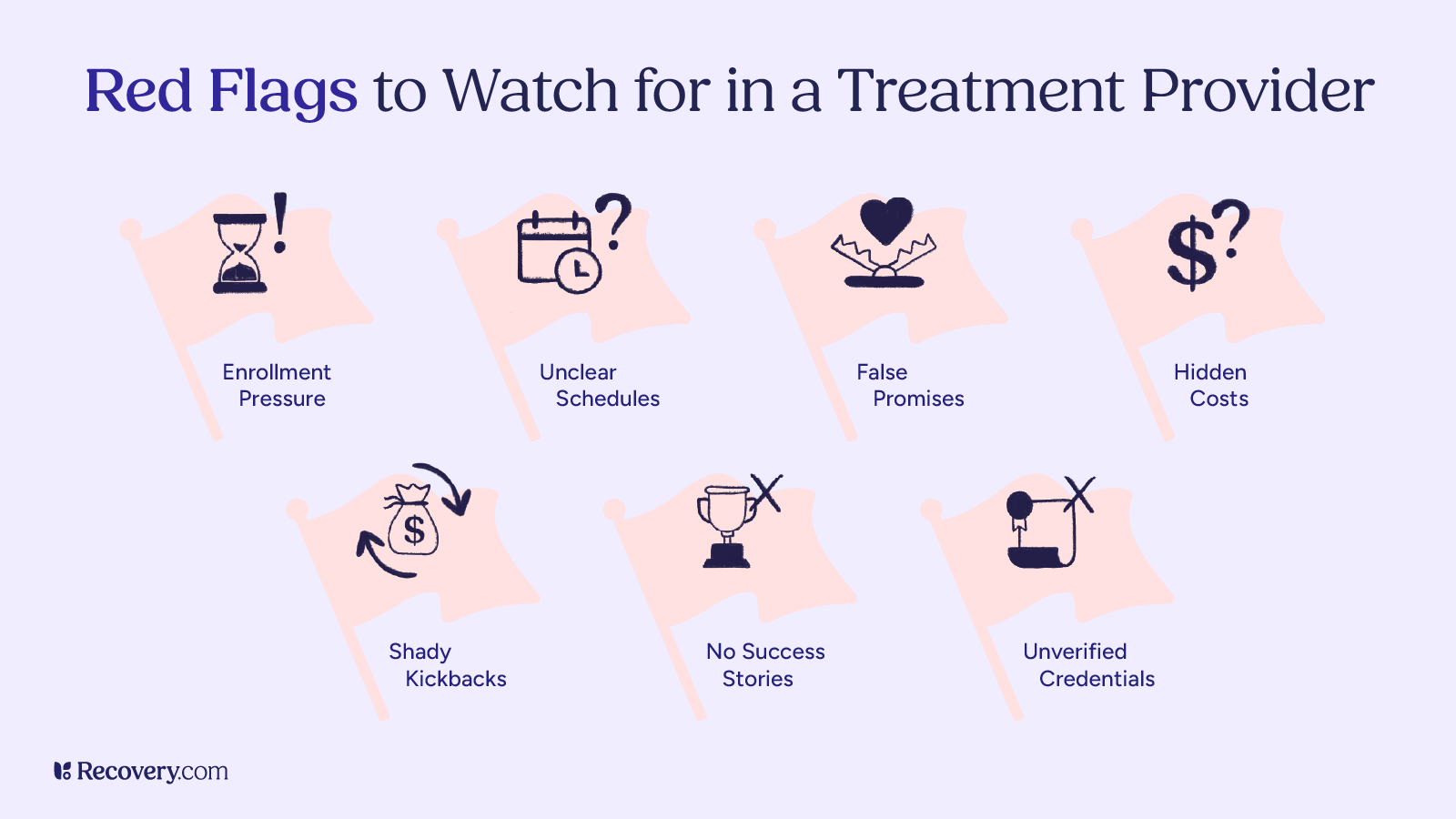
Infographic titled Red Flags to Watch for in a Treatment Provider, listing warning signs such as enrollment pressure, unclear schedules, false promises, hidden costs, shady kickbacks, lack of success stories, and unverified credentials. Each red flag is illustrated with a symbolic icon on a flag background.

Proven Treatment Approaches

The best programs use approaches that science has shown actually help people heal. These aren’t just trendy techniques—they’re proven methods that have helped many people build strong, lasting recovery. 

You’ll work with therapists trained in evidence-based interventions like CBT (cognitive behavioral therapy), which helps you change unhelpful thought patterns and behaviors. Other proven methods like DBT (dialectical behavior therapy) teach you how to manage emotions and stay present, while ACT (acceptance and commitment therapy) helps you build a meaningful life in recovery. These practical tools give you real skills for lasting change.

Want to learn more about what makes these approaches so effective? Check out our guide to evidence-based addiction treatment methods.

Family Involvement

Quality programs understand that addiction affects the whole family. They’ll typically include your loved ones in the recovery process through family therapy sessions, educational programs about addiction, and support for rebuilding relationships. Many also provide resources to help family members with their own healing journey—because recovery is stronger when families heal together.

Get the details on how family therapy works in treatment in our guide to understanding family programs in rehab.

Open Communication

Good treatment programs prioritize clear, honest communication. The staff should take time to explain things clearly, answer your questions thoughtfully, and include you in treatment decisions. They understand that keeping you informed and involved is crucial to your recovery success.

Understanding Costs and Coverage

A trustworthy treatment center will be completely open about the financial side of care. They should explain all costs upfront, help you understand what your insurance plan will cover, and be clear about any additional expenses you might face. Good programs will also walk you through payment options and help you verify your health insurance coverage before you commit. There shouldn’t be any surprise fees or hidden costs along the way.

Get the full details on pricing, insurance coverage, and payment options in our guide to understanding rehab costs.

Watching Out for Red Flags

While there are plenty of reputable treatment programs out there, it’s important to trust your gut if something feels off. Be cautious if a program:

  • Pressures you to enroll right away using aggressive sales tactics
  • Gets vague when you ask about daily schedules or treatment details
  • Makes promises that sound too good to be true, like guaranteeing success
  • Isn’t clear about costs or adds surprise fees
  • Offers kickbacks or referral fees for signing up (this is actually illegal!)
  • Can’t share any success stories or references from past clients
  • Doesn’t have proper licenses and accreditations 

The right treatment center will respect your need to gather information and think things through. They know this is a big decision that shouldn’t be rushed—after all, it’s about your health and recovery.

Sadly, treatment scams are out there—but we can help you spot them. Learn more in our guide to avoiding common rehab scams and unethical practices.

How do I find the right treatment provider for what I need?

Finding the right mental health provider starts with checking your insurance network so you can access care without financial stress. From there, read provider bios carefully—look for someone who specializes in your specific concerns and whose approach resonates with you. If something in their bio feels relatable or comforting, that’s a good sign. And remember, finding a therapist is like finding the right pair of shoes—you might have to try a few on before you find the perfect fit.

– Rebecca Tenzer, MAT, LCSW, CCTP, CGCS, CCATP, CCFP, CIMPH | Astute Counseling & Wellness Services

Practical Steps to Finding the Right Provider

1. Start With a Professional Assessment

Many treatment centers offer free, confidential assessments over the phone to help you understand what level of care might work best for you. Their admissions team will ask about your situation and walk you through your options. You can also talk with your primary care provider (PCP), therapist, or local mental health professional to get their recommendations. The goal is to make sure you find care that fits your needs—you don’t have to commit to anything during these initial conversations.

2. Check Your Insurance Coverage

Most treatment centers have insurance specialists who will check your benefits for free—just call and give them your insurance information. They’ll work directly with your insurance company to find out exactly what’s covered, including how many days of treatment they’ll pay for and what your out-of-pocket costs might be. 

You can also call your insurance provider yourself to learn about your mental health and substance use benefits. Either way, make sure to ask about in-network treatment centers (which usually cost less) and get clear on things like deductibles, out-of-network costs, and co-pays. Don’t worry if this feels overwhelming—that’s why admissions teams are there to help you figure it all out.

Learn more in our complete guide to using insurance (including Medicare) to pay for rehab treatment.

3. Research Your Options

Take some time to explore different types of providers that interest you. Use our treatment finder to get detailed information about each program, including costs, photos, virtual tours, and what day-to-day life is like there. You can also read online reviews about other people’s experiences (keeping in mind that everyone’s journey is different). Many centers welcome in-person visits, too. 

4. Ask the Right Questions

When you talk with treatment centers, don’t be shy about asking questions—the right program will welcome them. Ask what a typical day looks like, what kinds of therapy they offer, and how they’ll help with both substance abuse and mental health conditions. It’s also good to learn about how they include family in treatment and what kind of support they offer after you complete the program. Remember, you’re looking for a place that feels right for you, and these conversations help you get a sense of how they’ll support your recovery.

Make the most of your first conversation with treatment centers using our guide on what to ask when calling rehab admissions teams.

What should I know about health insurance?

When searching for a mental health or addiction treatment provider, understanding your health insurance coverage is crucial to ensure you receive the care you need when you need it without unexpected costs. General considerations may include being knowledgeable of coverage verification, your in- versus out-of-network providers, prior authorization requirements, co-pays, deductibles, co-insurance, out-of-pocket maximums, duration of coverage, treatment types, medications, and anything else specific to your situation. Although your provider’s website may have much of this information readily available, particularly if you explore your personal account, it is recommended to reach out directly should you warrant further clarity. It is especially important to ensure that everything is authorized prior to engaging in treatment, as any issues here may lead to unexpected costs that can add up significantly.

– Matthew Glowiak, PhD, LCPC, CAADC, ACS, NCC | Hazelden Betty Ford Graduate School

Illustration of a person confidently walking through an open door into a bright, glowing space with sparkles, accompanied by the motivational text You don’t have to have it all figured out—just take the next step, promoting hope and action in recovery.

Connect With Treatment Today

Recovery is a process that can profoundly change your life for the better. You deserve support in becoming your happiest, healthiest self—and help is available whenever you’re ready to take that next step. Find treatment options near you today.

How to Navigate Mental Health and Addiction After Treatment

Recovery is an ongoing journey, and intensive treatment arms you with essential tools. After treatment, continuing to use these tools and learn new ones can sustain lasting recovery. Aftercare planning can give you resources for success.

Aftercare, also called continuing care, can reduce relapse rates, help you stay sober, and enable you to lead a healthy, fulfilling life1. You and your care team will create an aftercare plan detailing treatment options, support groups, and lifestyle habits to follow post-residential care. Your aftercare plan will be tailored to your unique needs, ensuring personalized recovery. 

Transitioning Out of Treatment

Completing intensive treatment is a milestone to celebrate; however, transitioning back to daily life after addiction or mental health treatment comes with a unique set of changes and manageable challenges. These obstacles can be broad and vary from person to person, but understanding them can help you navigate this phase more effectively. 

One of the most significant difficulties in this transition is applying lessons learned in treatment to your daily tasks. Without proper guidance, it may be difficult to maintain these skills when you’re no longer in a trigger-free environment. Other challenges include rebuilding relationships, finding a safe home environment, and financial stability2—fortunately, the skills you learn and practice in aftercare can address all of these.

Aftercare services are a vital part of a successful transition and allow you to continuously practice coping techniques and stay connected in recovery. Although your recovery is your responsibility, multiple avenues of support can assist your journey.

Types of Post-Treatment Support

Each of these support options plays a vital role in addressing different aspects of recovery and relapse prevention. 

  1. Outpatient care: These programs allow you to live at home while attending treatment sessions. Programs can vary in intensity and frequency, from daily sessions to meeting twice a week. Outpatient programs usually include evidence-based therapies such as cognitive behavioral therapy (CBT) and psychoeducation.
  1. Sober living: Sober living provides a substance-free, supportive living environment for those transitioning out of residential treatment. Residents typically follow house rules, complete chores, and continue in outpatient care, therapy, and support groups while living there.
  1. Talk therapy: Weekly psychotherapy with a therapist can be helpful to continue skill building and work through stressors. During individual therapy sessions, you’ll likely engage in various therapeutic methods like dialectical behavior therapy (DBT) and acceptance and commitment therapy (ACT).
  1. 12-Step support groups: Programs like Alcoholics Anonymous (AA) and Narcotics Anonymous (NA) offer ongoing support through in-person and virtual meetings and a structured program of recovery steps. These groups provide a sense of community and mutual support from peers who are also in recovery.
  1. Non-12-Step support groups: Alternatives to 12-step programs, such as SMART Recovery, offer a non-religious approach to recovery and focus on self-empowerment and self-reliance. Peer support from those with similar experiences can maintain motivation in recovery3. Those healing from mental health concerns can find community in National Alliance on Mental Health (NAMI) support groups.
  1. Alumni Program: Your treatment center may provide an alumni program where you can bond with peers through in-person or virtual alumni meetings, sober events, or group trips. The program might include follow up check-ins and therapy sessions with a counselor, as well.
  1. Medication management: For some people, especially those recovering from opioid addiction, medication-assisted treatment (MAT) can be an effective component of post-treatment support.4 Medications like methadone, buprenorphine, and naltrexone can help manage cravings and withdrawal symptoms under medical supervision. Medication management for antidepressants, antipsychotics, and more can assist recovery for those with mental health concerns.
  1. Holistic and wellness-centered programs: Activities such as yoga, mind–body therapies, acupuncture, and meditation can be an effective way to manage addiction and mental health symptoms.5 Combining holistic modalities with evidence-based therapies can provide a well-rounded approach to care and an alternative way to heal. Additionally, proper exercise and nutritional counseling can support overall well-being and stress management in recovery.6

Building a Supportive Environment

Creating a support network with strong relationships is a foundational aspect of long-lasting recovery. Social support in recovery can reduce stress, increase self-efficacy, and motivate sobriety or remission.7 When you return home, you’ll want to connect with loved ones who supported you through the treatment process. Let them know how much their help and encouragement means to your recovery. Try your best to plan regular get togethers with friends and family, as avoiding isolation and bolstering these relationships can make recovery easier.

You may want to revisit relationships that were strained by your condition(s). This is an opportunity to practice the communication skills learned in treatment and show your growth, empathy, and patience. 

Your social circle should fully support your recovery efforts, contributing to a healthy home environment. You can also adjust other factors in your life that create a supportive living space, including removing triggers (such as substances), decluttering your home, practicing mindfulness, prioritizing sleep, and building a routine with meal times, exercise, and hobbies.  

Coping Strategies and Relapse Prevention

Recovery is something you actively engage in for the rest of your life. There may be times when you experience uncomfortable feelings and situations; however, with the right tools, you can navigate through uneasy moments. 

Triggers can look like stress from work, relationships, finances, and certain establishments. It may be smart to avoid bars or similar environments to prevent attending a high-risk situation. Recognizing these triggers and planning how to manage them can prevent relapse.

During treatment and after, you’ll practice using coping techniques, which can look like breathing exercises, regulating emotions through journaling, and saying “no” to situations that do not serve your recovery. It’s important to mindfully use coping skills in both uncomfortable situations and relaxed environments—that way, when a time arises when you need to use the skill, you’ve practiced it in low-stress times and feel comfortable using it.

You and your care team can create a personalized relapse prevention plan. This plan addresses potential triggers, outlines coping strategies, and identifies supportive resources, making it a cornerstone of successful long-term recovery.

Monitoring Progress and Adjustments

Although recovery is alinear, all healthy progress should be tracked and celebrated. To ensure that you’re engaging in activities that suit your current recovery needs, you can have regular check-ins with your healthcare providers. What may have worked in the beginning of your treatment experience might not serve you years down the road. You might find journaling about your 1 month, 1 year, and 5 year goals helpful. You can also write answers to questions such as:

  1. What were your main goals when you started the aftercare program? How well do you feel these goals are being met?
  2. In what ways have you changed since beginning your aftercare program? Consider habits, thought patterns, emotional responses, and relationships.
  3. What are the most significant challenges you’ve faced during your recovery process, and how have you addressed them? How has your aftercare program supported you in these challenges?
  4. What new coping strategies or skills have you learned through your aftercare program? How effectively are you able to apply these in real-life situations?
  5. In what areas do you feel you still need to grow or improve? How can your aftercare program or other resources assist you in these areas?

Staying flexible yet focused on your end goals can help you feel more fulfilled in your recovery. Every milestone, whether achieving one year of sobriety or simply having a good day, should be celebrated. Honoring your efforts can help you stay motivated and recognize how far you have come in your recovery journey. 

Protect. your long-term recovery: find a treatment provider who can support your unique needs.

What to Ask a Rehab Center

Calling a rehab center for the first time can feel overwhelming, but it’s an important first step toward getting help.

Knowing what to expect when you get on the phone with a rehab can give you the confidence you need to make that first call. Here’s what to expect—and what to ask—when inquiring at a rehab.

Before you pick up the phone, it’s a good idea to have a list of questions you want to ask. It’ll help you feel prepared, and ensure you’ll get all of the information you need to make a decision about your treatment. 

Rehab Questions: The Basics

How much does treatment cost?

This is the first question on most people’s minds when they call a treatment center. Knowing the costs of treatment upfront allows you to financially prepare for rehab.

In the U.S., most insurance policies cover up to a certain level of treatment. Rehab admissions teams can usually help you find out what your plan will cover. Heather Charlet, Director of Admissions at Gallus Detox Center Colorado, explains that coverage “depends on each individual’s policy and what their out-of-network benefits are. We run a verification of benefits for every patient that has insurance to see what we’re able to cover.”

Use these questions as a starting point: 

  • Do you accept my insurance? 
  • If not, what are my payment options?
  • Is full payment required upfront or can I pay a deposit to hold my spot? 

Read more about how much rehab costs.   

Is there a waitlist?

Most people seeking treatment want help as soon as possible. Because of the large number of treatment centers available, waitlists generally aren’t common in the U.S. But in Europe and Australia have far fewer private rehab options, which may be waitlisted.  

Because addiction is an urgent issue, whether a rehab has a waitlist or not may determine if you can, or want to, receive treatment there. Knowing this right away can save you time. 

gallus detox center coloradoGallus Detox Center in Littleton, Colorado

Tell me more about your treatment approach and therapies.

The path to recovery is highly personal: What works for one person may or may not work for another. That’s why rehabs use so many different methods to treat addiction and mental health disorders. 

Faith-based, 12-Step, non-12-Step, and holistic rehabs are examples of rehab treatment approaches that frame entire programs and may appeal to different types of people. Specific therapies include a range of evidence-based and holistic treatments.

What works best for you depends on your personal framework, past treatment experiences, and addiction or mental health history. Learn what each center offers so you can decide whether their approach resonates with you.

How qualified is your staff?

Knowing who will care for you is just as important as knowing what methods they use. These rehab staff-related questions will help you get a clearer picture of the people guiding your treatment: 

  • What kind of professionals will I be interacting with on a day-to-day basis? 
  • Who will be on my treatment team? 
  • What are their qualifications? 

Rehab Questions: Details of Your Stay

What types of clientele does your program serve? Do you offer specialized services?

These questions are important for several reasons:

  • Some rehab programs are tailored to the needs of certain clientele. There are rehabs that cater to executives and wouldn’t be appropriate for teens, for example.
  • If you identify with ethnic or sexual minority groups, you may require resources to address your minority experiences. For example, a trans person may need an LGBTQ+ affirming environment to safely process trauma. 
  • You may need other specializations for a successful treatment experience, such as co-occurring disorder treatment or trauma-informed care.
camino recovery Camino Recovery in Vélez-Málaga, Spain

Do you offer on-site detox?

Some people require detox before they begin inpatient treatment. And some residential rehabs are equipped with the facilities and medical staff necessary to offer detox services on-site. Other centers may offer detox off-site through partnerships with local medical facilities. 

An admissions counselor or addiction specialist can help you determine if you need medical detox. 

Detoxing on your own can be harmful to both your physical and mental health. Consult with your doctor or a qualified medical professional when making decisions about detox. 

How many clinical hours does your program include

A key indicator of a rehab center’s value is how many individual therapy sessions you’ll receive per week. The more time you get to spend with your counselors and therapists, the more help you’ll directly receive. Some treatment programs consist mainly of group therapy sessions, while others include more one-on-one time with practitioners. Finding this out upfront can help you avoid unpleasant surprises when you arrive.  

What’s your policy on contact with loved ones? Can I use my laptop or cell phone?

Relationships with your partner, family, and friends are an essential part of your life and recovery. Don’t let fear of not knowing whether you’ll be able to communicate with them be the roadblock that stops you from getting help. 

Ask the center what their device or communications policies are: 

all points north lodge burnout treatment All Points North Lodge in Vail Valley, Colorado

Questions to Ask a Rehab Facility Before Being Released

Is it possible for me to extend my stay if necessary?

Most inpatient rehab programs have set lengths of stay that range from 30 to 90 days. Still, you never know what’s going to happen and if you’ll feel fully prepared to check out once you’ve reached the benchmark time spent in treatment. While most centers are happy to allow clients to extend their stay, if yours is waitlisted, it’s worth checking in advance. 

What kind of continuing care do you provide?

Most people require ongoing support and care after their stay at a residential rehab. Jan Gerber, CEO of Paracelsus in Zurich, Switzerland, points out: 

What happens after treatment is probably the most important question about treatment, because that’s what people go back to after they leave from treatment. The whole concept of aftercare is maybe even more important than the treatment itself.” 

Certain components of continuing care, such as ongoing therapy and a strong support network, are essential to relapse prevention. But aftercare options vary greatly between rehab centers. Some centers may not offer continuing care, or may offer these services at an additional cost. So make sure you find out as much information as possible about their aftercare program.

Choosing the Right Rehab Center for You

Wherever you are in the process of seeking help, it’s okay to not have all of the answers. The first phone call to a rehab is a key first step toward getting the help you need. Make the most of your conversation with an admissions advisor so you can make an educated choice about which center is best for your needs.

Browse our list of rehabs to learn more about available treatment options.


Frequently Asked Questions About Calling a Rehab Center

What happens when you call a drug rehab?

An intake specialist will ask a series of questions to learn more about you. This helps them determine the level of care you need and other treatment details. It’s also a chance for you to find out more about the center.

What questions should I ask when choosing a drug rehab?

These questions can help you make the most out of your call:

  • How much does treatment cost? 
  • Is there a waitlist? If so, how long is it? 
  • Tell me about your center’s philosophy and treatment methods.
  • What kind of specialists do you have on staff?
  • Do you offer on-site detox?
  • How many clinical hours does your program include?

Who answers the phone when you call a rehab?

An intake or admissions specialist picks up. Sometimes a receptionist will answer and redirect your call. All rehab staff should follow ethical standards when interacting with potential patients.

Choosing the Right Rehab as a Celebrity

We hear it all the time: “celebrities are just like everyone else.” And in many ways, that’s true. But you might have some unique concerns when it comes to rehab. For example, privacy, flexibility, and maintaining your lifestyle might be especially high priorities. In a luxury rehab center, you can start addiction and mental health recovery without sacrificing your other needs. 

Why Is Addiction So Common in Celebrities?

Addiction doesn’t discriminate. Whether or not you’re famous, you might develop an addiction for a variety of reasons. But certain aspects of fame contribute to higher rates of addiction among affluent people:1

  • Easier access to drugs and alcohol
  • Isolation from trustworthy support systems
  • Trauma from abuse and neglect, especially during childhood fame
  • Pressure from demanding professions

Like anyone else, some celebrities may also have a genetic predisposition to addiction.2 This risk is further increased when combined with a stressful lifestyle. 

Unique Challenges of Recovery for Celebrities

If fame plays a role in developing addiction, it also affects how you access treatment. Many celebrities have ongoing contractual obligations like games, tours, or interviews. So if you take time off work for treatment, you might face career and financial penalties. And those commitments don’t end after rehab. Many of them even come with an expectation to drink or use drugs with your colleagues and fans.

High achievers also face significant financial pressures. You might be supporting a large staff, artistic collaborators, and loved ones. So if you stop working, they could feel immediate effects. And fame doesn’t always bring financial success. High-profile activists, politicians, and artists can’t always afford rehab centers with the strict privacy they need. 

For this demographic, public opinion has a major impact on the recovery process. And unwanted media attention can interfere with healing. Because of this, confidentiality is a major concern for high-profile clients—as it should be. You have the right to recover on your own terms. That’s why most rehabs have privacy policies that keep celebrities safe from prying eyes. 

What Do Celebrity Rehabs Offer?

Celebrity rehabs understand the unique ways that fame affects addiction and recovery. There are a few key ways rehabs approach treatment for high-profile patients. 

Confidentiality

For most celebrities, privacy is essential for recovery. That way, you can focus on yourself and the changes you want to make, without distractions. With this in mind, celebrity rehabs have strict privacy policies. 

For the utmost confidentiality, some rehabs treat only one client at a time, and some centers cater specifically to celebrities. They take a personalized approach to recovery, tailoring treatment to meet your unique needs. 

Location can also play a role in keeping your recovery private. Swiss rehabs, for example, take anonymity to the next level. Jan Gerber, CEO of Paracelsus Recovery in Zurich, explains: 

“In terms of confidentiality, that’s basically the second name of Switzerland. It’s the banking secrecy, the whole discretion. The Swiss mindset is, in a way, non-sensational. We get clients who are celebrity, A-list Hollywood actors, who go to the local Starbucks. Of course they’re recognized, but it’s not in the news, the local tabloids don’t write about it, and they’re not harassed for autographs either.”

Flexibility

With success comes responsibility. If a team of employees depend on you, you might not be able to take time off work for recovery. Or you might need to attend social functions, or stay in touch with your family. At many elite rehabs, you can keep these commitments during your stay. 

Some centers have more relaxed device use policies, so you can stay connected throughout treatment. Others even allow you to work remotely. As long as these activities don’t interfere with your progress, you can continue taking care of business while you heal.   

Gerber describes how the clinicians at Paracelsus Recovery accommodate each patient’s individual needs:

“We’ve had people with regular scheduled TV appearances, such as entertainers who have had to be in front of the camera once a week in a different country. We could accommodate that. We have people who run companies, or family business empires. They have to have work calls every day. We have to accommodate that.”

tikvah lake recovery pool
Tikvah Lake Recovery provides clients with a sober companion to join them at special events.

Joyful Recreation

If you’re successful in your chosen field, you may be accustomed to a certain lifestyle. Rehab doesn’t have to interrupt that. In fact, learning to enjoy yourself without drug use is an important part of recovery.3 

At White River Manor in South Africa, for instance, patients can go bungee jumping, whitewater rafting, or even on safari. Director Co-Owner Giles Fourie describes the therapeutic value of these activities:  

“There’s great therapy in that. It’s also just about having fun. There’s great value in our clients experiencing what it is to have fun outside of addiction, outside of the substances that they believed they needed in order to experience joy in their lives.” 

And these experiences don’t just bring joy to your time in treatment. They can also set you up for long-term success. 

Comprehensive Aftercare

When you leave inpatient treatment, you’ll probably return to the same world you left behind. Even if you’re sober, you might need to keep attending high-profile events where drugs and alcohol play a role. And you’ll still face the same pressures you did before entering treatment. 

That’s why many celebrity rehabs offer comprehensive aftercare. You can return to the center for a follow-up stay, or meet with your therapist remotely. Some rehabs, like Tikvah Lake Recovery, even offer sober companions to join you at special events. Their presence can help you work through triggers and avoid relapse. 

What Rehabs Do Celebrities Go To?

Recovery is unique for everyone—even high-profile clients. While many celebrity rehabs are lavish retreats, that’s not universally true. 

As extravagant as this sounds, not all celebrity rehabs are expensive. And most of them accept insurance since the adoption of the Affordable Care Act. Treatment in some parts of the world, like Thailand, is particularly accessible. Whatever your budget is, you can likely find a luxury rehab that fits your lifestyle.

the hills rehab chiang mai property
The Hills Rehab Chiang Mai and other rehabs in Thailand offer luxury amenities at an affordable price point.

Bespoke Luxury Rehabs

When you’re used to a high standard of living, leaving it behind can interfere with healing. But if luxury amenities are a priority for you, many rehabs can meet your needs. You might have a private chef, personal trainer, and house staff assigned to you during your stay. And you can stay in a 5-star room, private suite, or even an entire villa. Many luxury rehabs also offer a 24/7 concierge service. You’ll have somebody there to act as a liaison between you, the staff, and your loved ones throughout treatment. And they can also be an important source of emotional support outside of your treatment team. 

In rehabs like Orenda at Futures, this approach is central to recovery. Their team believes “freeing patients to concentrate fully on therapy produces better outcomes.” To that end, their team is dedicated to meeting each client’s unique needs. They’re always available to answer your questions and make your stay as comfortable as possible. 

Holistic Rehabs

Holistic rehabs treat addiction using a variety of evidence-based and alternative therapies:

These types of rehabs treat the whole person, addressing your physical, mental, and spiritual wellness. At Alta Mira Recovery in California, expert staff “address neurobiological, psychological, social, physical and spiritual aspects of addiction” with therapies ranging from cognitive behavioral therapy (CBT) to equine therapy.4

Celebrity Rehabs: Joyful and Private Places to Heal

When you find fame, it’s all too easy to lose yourself in the process. In treatment, you can get to know yourself again without the pressure of public opinion. And you won’t have to choose between career success and recovery. Celebrity rehabs show you how to keep the best parts of your lifestyle, and let go of the behaviors that aren’t serving you.

Search our collection of luxury rehabs to learn more about their locations, approaches, and special considerations.

What to Do If You Relapse: A Complete Guide to Recovery After Setbacks

If you’re healing from addiction, it makes sense to worry about relapse. This can be a concern at every stage of recovery, whether you’re just starting detox or years into sobriety. Cravings and triggers don’t just disappear. But with the right type of addiction treatment, you can make a plan to keep yourself safe.

Notice the Warning Signs

Everyone’s triggers are different. And in recovery, you’ll learn to recognize and work through them as they arise. Some of them you can simply avoid—like going to the bar, or missing a night of sleep. Others are inescapable. But because these situations are so common, you can often see them coming. And that foresight can help you navigate them more skillfully.

Stress

Stress is a natural part of life. And that’s not always a bad thing. Even positive events can be stressful,2 like buying a new car or planning a wedding. You can’t avoid all big changes—and you shouldn’t try to. But you can manage your emotional response to them.

As you return to life after treatment, try to be gentle with yourself. Data shows that people with addiction are more vulnerable to stress.3 And what’s more, unmanaged stress can increase your risk of relapse.4 That’s why it’s important to have a plan for how you’ll handle these situations when they come up.

According to experts, emotion regulation skills can help you get through stressful situations.5 You can learn these skills in rehab or from a therapist, and practice them on your own. For example, you might meditate, do breathing exercises, or try other mindfulness techniques. These coping strategies can keep you centered during intense moments.

Trauma

Even in times of stability, you might be distracted by painful memories. And unprocessed trauma is linked to addiction.6 This is true whether it occurred in childhood, in recent years, or as a result of drug use. Working with a trained therapist can help you move forward, but it won’t undo the past. You may still confront triggers from time to time. When that happens, you can use skills to work through your emotional response.

Addiction is a common response to trauma.7 Taking drugs can make you feel like you have control of your own mind, even though the opposite is true.  And if you’ve ever used drugs to deal with trauma, you might be more likely to fall back on that behavior. Scientists have established a clear link “between craving, relapse, and PTSD symptoms.”8

Traumatic memories and events might always trigger your cravings. But in trauma-informed rehab, you’ll learn coping skills that work better than drug use. And when you put those skills to use, it’s more than damage control. It can also be empowering.

Know Your Triggers

Recovery from almost anything is the process of getting to know yourself again. That’s true for addiction, mental health issues, trauma, and even some physical conditions. Maybe your energy levels are different, or you have new needs and boundaries. Maybe you want to pick up different hobbies, or restructure your relationships. There’s no wrong answer, as long as you stay present, honest with yourself, and focused on living a healthy life.

Understanding your own triggers is a big part of this process. And triggers aren’t always easy to predict or even explain. If you were once in a car crash, you might be triggered by loud noises or getting stuck in traffic. But you can also be triggered by relationship dynamics, sensations, and even emotions.

Learning to anticipate triggers and cravings can be confusing at first. But over time, it becomes intuitive. The first step is just paying attention to your own emotional reactions. Then, you can discuss your feelings with your therapist or another provider. With this information about your own impulses, you can start planning healthy ways to respond.

Guard Against Relapse by Planning Ahead

From the moment you enter rehab, your team will help you prepare for the risk of relapse. During treatment, you’ll amass resources and coping strategies to help you guard against it. And if you do relapse, you’ll already have a plan for what comes next.

Build an Emotional First-Aid Kit

Cravings aren’t convenient. They won’t always happen in the comfort of your home, or when you’re about to have a day off. In fact, because of the link between relapse and stress, you might be at a higher risk while you’re doing something important.

When you’re already feeling stressed, it can be hard to think clearly. That’s why some people in recovery make emotional first-aid kits. Your kit can take any form, from an actual first-aid kit to a post-it note to an art project. Just make sure it’s easily accessible, and has genuinely helpful information. You can start by including a few standard resources:

  • A list of activities that help you calm down, like exercising or playing games
  • A list of distress tolerance skills you find helpful, like breathing exercises or listening to a song you love
  • A comfort object, like a soft pillow or a worry stone
  • A copy of your favorite book
  • A mantra you can repeat to yourself during meditation
  • The phone numbers for trusted contacts, like your therapist, your sponsor, or your best friend

Connect With Your Community

Strong relationships decrease the risk of relapse.9 And you can start building your support network as soon as you enter recovery. That could mean meeting new people, or recommitting to loved ones. In many programs, you can even do family therapy during rehab.

Your support system can include several different types of relationships. Friends, family, and chosen family members are a great place to start. But you can also join more formal communities. Both 12-Step and non-12-Step groups  (like SMART Recovery groups) offer peer support. In these meetings, you can share your concerns about relapse with people who likely feel the same way.

When people expect things from you, they’ll hold you accountable. This even applies to low-stakes situations. If you miss a friend’s birthday party, they might ask if you’re ok. In the long term, these gentle nudges can help you stay on track. And, after you build trust over time, you’ll have people to lean on in crisis situations.

Stick With (or Revisit) Your Continuing Care Plan

Personal relationships are essential, but they’re just one piece of the puzzle. While you can ask friends for emotional support, you can’t depend on them for clinical treatment. It’s important to find a team of mental health providers who can see you through recovery.

If you attend residential rehab, you can start planning for aftercare during treatment. In some cases, you can continue seeing the same therapist after you return home. But most of the time, you’ll need to look for a new one. You might also find other specialists, like a psychiatrist or a medical doctor who understands addiction.

These experts can help you plan ahead. They might notice behavioral warning signs, and suggest you take action even before you relapse. And if you’re in crisis, they can connect you with valuable resources, and help you focus on healing.

Responding to Relapse

Relapse happens. Healing is complex, even if you have great coping skills. And your path toward recovery might not be a straight line. And that’s okay.

If you do relapse, it’s important to face the issues behind it. Shame and addiction are related,10 and hiding your problems can exacerbate them. Instead, it’s best to find help as soon as you can. Reach out to your support network and your care team to let them know what’s happening. You can also call your original treatment center and ask them for advice.

Depending on your circumstances, you might need to kickstart recovery again. This could mean going through detox, returning to rehab, or trying something new. Your mental health provider can help you decide on the best way to move forward.

Recommitting to the Recovery Journey

Whatever comes after relapse, you can rely on one thing: you won’t be starting from scratch. Even this bump in the road is a step toward recovery. Relapse gives you important information about your triggers, needs, and recovery goals. And you can use that information to make even better choices about what comes next.

See our searchable list of rehabs to get support at any stage of recovery, from detox to continuing care.

Love the Outdoors? Consider Rehab in Canada

Canada’s beautiful landscape has seemingly endless mountains, lakes, beaches, and forests. As such, many addiction treatment centers in Canada offer outdoor activities like kayaking, snowshoeing, and fishing. The tranquil scenery lets you begin recovery in peaceful solitude.

Canadian rehab centers place a focus on holistic, individualized treatment, although 12-Step programs are also available. Social support plays a central role in many programs, through peer-to-peer relationships and family therapy. There’s also a strong focus on aftercare, helping clients transition back into daily life after treatment.

Canada’s Awe-Inspiring Landscape

There’s no shortage of beautiful natural areas in Canada.1 The country is home to vast mountain ranges like the well-known Canadian Rockies, and an abundance of lakes, rivers, beaches, and more. These areas offer exciting views of local wildlife and countless opportunities for recreation. Canada’s coastline stretches far and wide, giving visitors plenty of space for reflection by the seaside.

Many of Canada’s rehab centers are located in natural settings. Victoria Wellness sits on Rice Lake’s picturesque shoreline, only steps from the lake. Their program includes onsite activities like kayaking, paddle boarding, and fishing. In your free time, you can make your way along the winding path in the labyrinth. The rock-lined trail guides you to the center, and is meant to help facilitate mindfulness through walking meditation.

Cedars at Cobble Hill spreads out across 65 acres of land in the middle of one of British Columbia’s beautiful forests. Tall trees surround the log cabin-like buildings, and trails pepper the forest for clients to explore at their leisure.

Addiction Treatment in the City

You might choose to attend a rehab facility in a larger city if you want to stay close to home, or just prefer urban environments. But even the large cities in Canada aren’t far from nature. For example, Andy’s House in Montréal is only minutes from the St. Lawrence River.

cytbbaf7ueh3ipineijt
Nestled in a quiet neighborhood, Andy’s House is steps away from one of Montreal’s largest rivers.

Montréal also has a thriving movie scene, and has been the set for several major films—including The Notebook and The Life of Pi. Perhaps this is why Andy’s House offers cinema therapy. During this unique form of treatment, clients watch movies whose characters’ experiences are similar to their own. These films can help you confront your own issues in a safe and supportive environment.

Although Toronto is the largest city in Canada,2 it still has plentiful green spaces. There are more than 1,600 parks in the city, making up almost 20,000 acres of land. Bellwood Health Services is steps from the lush and green Sunnywood Park. The secluded location amidst beautiful views of tall trees, green grass, and snaking pathways makes it hard to believe you’re still in a busy city. If you decide to attend a rehab center in Toronto, you’ll be close to both an urban environment and plenty of natural ones.

The Bright Side of Cold Winters

If you’re considering rehab in any of these areas, remember to consider Canada’s climate.3 The country experiences all 4 seasons, and the farther north you go, the longer the winters are. Most parts of the country experience temperatures below freezing for the majority of winter. There’s a reason Canada’s nickname is “The Great White North!”

However, the cold season does have its perks—like snow sports! Several centers offer fun winter activities, like snowshoeing, skiing, and snowboarding. The short, quiet days of the time of year can also provide a much-needed respite from the world at large. You can watch the snow falling outside your window, or go for brisk winter walks to soak up the peace that this season can offer.

If cold winter days still don’t appeal to you, it may be better to attend rehab in a warmer climate. This is especially true if you prefer to participate in activities like swimming and biking, which may be harder to find in Canada.

Canada Rehab Centers Foster a Spirit of Adventure

Canada’s highly accessible outdoor activities make it a great destination for adventure seekers. And it’s not just fun—adventurous activities are also good for your mental health,4 especially when done in natural environments. According to research, these activities have several benefits:

  • improved resilience and self-efficacy
  • Increased confidence after completing challenges
  • connectedness to nature
  • physical fitness
  • opportunities practice emotion regulation

Numerous Canadian rehabs offer adventure outings and sports. At Valiant Recovery, for example, you can play golf, complete a ropes course, go ziplining, and more. They also offer rooftop therapy sessions, so clients can bask in the sunshine to release the stress of working through emotional traumas. Seabridge Foundation is just minutes from the coast in the beautiful Annapolis Valley of Nova Scotia. Among other outdoor adventures, they take clients whale watching, white water rafting, and skydiving.

ccrgcdzmqw9psyhtyzzw
Activities offered at Valiant Recovery in Kelowna, British Columbia, make the most of the outdoors.

Building Community During Recovery

Community is extremely important during the healing process. In his now-famous TED Talk, journalist Johann Hari says that “the opposite of addiction is connection.”5 While Hari isn’t a medical professional, he’s definitely right about one thing: the people you surround yourself with can have a huge impact on your recovery.

The Social Model Program

The “social model” is an approach that emphasizes the importance of peer support in residential rehab.6 While many centers offer group therapy and support groups, it’s less common for peer support to be the primary focus of residential rehab. The social model aims to bridge that gap. It prioritizes interpersonal relationships over individual treatment plans. Most social model recovery programs are founded on the same basic principles:

  • Residents both give and receive mutual support, relying on each other and not just trained caregivers.
  • A positive environment promotes abstinence from drug use.
  • 12-Step or non-12-Step support groups provide a framework for the healing process.
  • Residents can learn from each other’s knowledge and experience of recovery.

The Last Door, a rehab center for youth and adult males ages 13-30, utilizes the social model approach. In this program, expert providers “guide but do not drive the management process.” This empowers clients to define what healing means for themselves. Peers play a crucial role in each other’s learning, healing, and rehabilitation processes. Clients can also participate in the community through volunteerism and social outings. This focus on interpersonal skills not only helps you build new relationships; it can also help repair existing ones.

Healing Family Dynamics in Rehab

You’re probably not the only person in your family who can benefit from therapy. Addiction can be difficult for loved ones, too, including parents, children, and partners. Family therapy teaches you how to handle conflicts in a healthy way. It can also help participants process trauma in a safe environment. Family members learn how to support each other and move forward with more sustainable, happier relationships. In many rehab programs, friends and chosen family can partake in this form of treatment.

Sue knew something was different about her husband, but wasn’t sure what was causing his drastic change in behavior. Even after she learned about his cocaine addiction, it was a long and emotionally taxing 3 years before he agreed to seek help. Fortunately for both Sue and her husband, the Last Door offers programs for loved ones affected by addiction.

“I lost a part of who I was during that time,” Sue says. But through a family group that she attended with her husband, and a support group just for partners, Sue found herself again. She acknowledges that both groups were instrumental in her personal healing process, and that of her marriage. “I was able to heal, and he was able to heal,” she says. “You can move on and live life past addiction. That’s one really important lesson that we’ve learned.”

In family therapy, you and your loved ones can begin to repair your relationships—with each other, and with yourselves.

Canada Treatment Centers Focus on Aftercare

For most people, the healing process continues after rehab. Aftercare, also called continuing care, is an extremely important part of recovery.7 Research suggests that longer periods of aftercare result in a higher likelihood of abstinence from drug use, and sustained positive effects from treatment.

Many rehabs in Canada place an emphasis on continuing care, and provide ample resources for alumni. Aurora Recovery Centre in Manitoba helps each resident create a personalized strategy for continuing care at home.

Some clients aren’t ready to go home right after treatment. If you need more support, Aurora Recovery Centre also offers stepped-down care following residential rehab. You can stay on their property in transitional housing, or move off-site to one of their partner sober living homes. These settings can help you slowly reacclimate to life outside rehab.

Aurora Recovery
Aurora Recovery Centre’s transitional housing is located on their vast property near the shores of Lake Winnipeg.

In our increasingly technological world, online aftercare is getting more and more popular. When you finish rehab at iRecover Addiction Treatment Centers, you’ll get a tablet that comes pre-loaded with program content. Clients keep the device after finishing rehab, and can attend any of the 4 online, live 12-Step meetings that happen each day. You can also use your tablet to stay in touch with fellow participants after the program ends.

How to Get to Canada

Traveling to and within Canada is simple. From the U.S., you can just drive across the border, or fly into one of Canada’s many airports. Because Canada is so large—by area, it’s the second biggest country in the world—you may prefer to fly, even if you already live there.

To make travel less stressful, most treatment facilities offer transportation directly to and from the airport. However, it’s important to check with your rehab’s admissions team before making any plans. They can help you choose the best way to get to their facility.

Canada’s Rehab Centers Utilize the Power of Nature to Aid in Healing

In Canada’s treatment centers, you’re never far from peaceful natural settings. That’s true whether you choose a rehab deep in the forest or in the middle of a bustling city. With an emphasis on building community and robust aftercare, addiction treatment here can be the right fit for a great many people.

Ready to take that first step? See pricing and insurance information, center photos, reviews, and more and connect directly with rehabs via our directory of rehabs in Canada.

Mutual Support in Therapeutic Communities

Substance misuse can be extremely isolating. For some clients, rehab is a good time to break out of old patterns and start rebuilding interpersonal relationships. And, as valuable as talk therapies are, there are some skills you can only learn by engaging in mutual support. If your goal is to focus on those skills, you might benefit from joining a therapeutic community.

While many of these programs take place within rehab facilities, they take a unique approach to the healing process. Residents receive some level of professional care, which may include talk therapy, medical supervision, and various other programs. In addition to this, clients actively cultivate a community of mutual emotional support.

What Is a Therapeutic Community?

Therapeutic communities, or TCs, are “a form of long-term residential treatment for substance use disorders.”1 Originally—starting as early as the 1950’s—most of these organizations were run entirely by residents, who provided support to each other during recovery. This model uses “the peer community as the agent of recovery,”2 with an emphasis on healthy relationships between members.

In some of these earlier programs, members were prohibited from using medications of any kind, even to help with detox. Over time, and as public opinion has shifted, many facilities have adopted a more modern approach. Today, it’s quite common for TCs to be connected with more traditional rehab facilities. This allows clients to benefit from recent medical advances, while still connecting deeply with one other. If you attend one of these programs, you will also be asked to take on greater responsibilities than you would be in a more traditional rehab program.

Collective Responsibility

In a therapeutic community, clients are often expected to participate in group activities, engage directly with one another, and even perform daily chores. These activities are intended to help you cultivate life skills and build healthy relationships. By behaving as an important part of a larger collective, you may become more confident in your own personal strengths.

As psychiatrist Penelope Campling explains, this philosophy is founded on the ideas of self-empowerment and collective responsibility. She writes, “therapeutic communities3 are deliberately structured in a way that encourages personal responsibility and avoids unhelpful dependency on professionals. Patients are seen as bringing strengths and creative energy into the therapeutic setting, and the peer group is seen as all-important in establishing a strong therapeutic alliance.”

TCs conceive of the “community as [the] method4 or mechanism of healing. In this model, clients are not only accountable for their own recovery; they also assume a certain level of responsibility for each others’ healing processes. There is “an emphasis on social learning5 and mutual self-help…This aid to others is seen as an important part of changing oneself.”

Length of Stay in a Therapeutic Community

These programs often last longer than other forms of treatment, and your length of stay will likely be determined by your unique needs. At Start2Stop, a facility in London, offers a Secondary Care Programme for those who have completed 28-day inpatient treatment. “Everyone is different and the length of stay will depend upon individual circumstances,” says the provider. However, most clients stay on-site for approximately three months.

Research suggests that it is especially important for clients to prioritize aftercare following their stay in a TC. According to one study on therapeutic communities’ effectiveness,6 both “length of stay in treatment and participation in subsequent aftercare were consistent predictors of recovery status.” This may be related to the well-documented importance of community for mental health.7 After you learn to engage with fellow residents in a TC, it may be difficult to return to a less communal setting.

Group Activities

While therapeutic communities share a particular approach, various TCs have slightly different philosophies regarding recovery. For instance, some of these programs are founded in the 12 Steps of A.A. or N.A. Others may host only teens, or offer gender-specific treatment. No matter who is part of your cohort, you can expect to participate in focused group activities.

It’s quite common for clients to engage in group therapy or support groups during their stay. You may also join in group outings or even shared meals. These experiences help residents cultivate a sense of community by both offering and receiving emotional support from peers. When this exchange occurs outside of traditional talk therapy, clients can practice interpersonal skills in a variety of contexts. This may help you prepare for life after rehab, when you’ll start interacting with people who aren’t necessarily in recovery.

A growing body of evidence suggests mutual support between clients with substance use disorders8 is hugely beneficial. Experts have found that these relationships “fill a gap that often exists in both formal and informal treatment for individuals with SUD by focusing on recovery first and by helping to rebuild and redefine the individual’s community and life.”

You are more than your illness. Simply watching a movie with a friend, going on a hike, or talking about a good book can help you remember that. And during your time in residence at a TC, you may have more and more opportunities to engage in these activities.

Stages of Recovery

Many therapeutic communities employ a “hierarchical model of care”.9 In this dynamic, clients gain more privileges as they work through predefined stages of recovery. These privileges often include access to the outside world, such as receiving an allowance, using a laptop, or going off-site. For example, you might be allowed to spend a night away from the facility after being in the program for a certain period of time.

Because of this philosophy, TCs may be a good fit for people with responsibilities they can’t set down for months at a time. In particular, students and employed professionals may be able to keep up with school and work during treatment. Some clients might need to do this remotely, while others may be allowed to leave the facility during the day.

Unlike other rehab models, therapeutic communities actively encourage clients to reintegrate with the outside world10 before completing treatment. According to the National Institutes of Health, “as program participants progress through the stages of recovery, they assume greater personal and social responsibilities in the community. The goal is for a TC participant to leave the program not only drug-free but also employed or in school or training. It is not uncommon for program participants to progress in their recovery to take on leadership and staff roles within the TC.”

This flexibility should not be confused with a lack of structure. On the contrary, clients enjoy certain freedoms precisely because they remain accountable to themselves, each other, and their healthcare providers. At every stage of recovery, you’ll be expected to follow certain house rules.

Common Regulations in Therapeutic Communities

Life in a TC strikes a delicate balance. On the one hand, you’ll slowly gain privileges that aren’t available in other rehab programs. And on the other hand, you’ll be expected to take on responsibilities that are rarely associated with inpatient treatment. These two components work in concert to empower clients. The daily practice of caring for yourself and others, while watching the impact of your behavior in real time, can have a huge impact on the recovery process.

Sobriety

Most therapeutic communities have a zero-tolerance policy for substance use. You may undergo regular tests to confirm your sobriety. This practice is especially important for clients who spend significant time off-site. By gathering data about your health, your clinicians can monitor your progress and make adjustments as needed.

If you do test positive for substances during your stay, you may have to leave the program permanently. While this may sound extreme, it’s in line with the philosophy of community accountability. In a TC, even more than in some other programs, your behavior has a drastic impact on the health of other residents. This strategy not only discourages substance misuse; it also protects clients from engaging in enabling behavior.

Household Chores

Living in a community means being partially responsible for the well-being of the whole group. With this in mind, most TCs require residents to take care of their own living spaces. These activities aren’t simply utilitarian; they’re also an exercise in interpersonal dynamics. A task as simple as sweeping the floor can become an act of caring for your cohort.

Each program has its own unique expectations of clients. At MARR, a TC in Georgia, clients “complete chores, buy groceries together, have dinner at the dining room table every night, and navigate day-to-day activities. This sense of community has proven to be a huge factor in the recovery process. It lets clients know they’re not alone while challenging their old habits at the same time.”

This practice teaches valuable life skills, helps clients develop healthier habits, and fosters strong relationships. It may also have a long-lasting positive effect on the psychological aspect of healing. Data suggests that life skills training11 and related activities may be an important preventive measure for those in recovery from substance use disorders.

Curfew

TCs have a strong focus on building healthy habits into your daily routine. Because of this, you can expect to follow a clearly defined schedule during your time there. Although it will likely include much more free time than a traditional rehab, you’ll still have to abide by a curfew. This curfew may change over time, as you progress through the stages of recovery. And even if you’re able to spend the occasional night off-site, you’ll still likely need to return at a predetermined time. Much like regular drug testing, this practice helps clinicians gather data about your recovery process—specifically your ability to keep your commitments and respect healthy boundaries.

Does Scientific Data Support Healing in a Therapeutic Community?

Significant research supports the idea that clients benefit from building community during recovery. Connecting with your peers not only gives you access to support; it also positions you to help the people around you. By empathizing with the people in your cohort, you may gain new insights into your own recovery process. As you develop mutual compassion and respect, you may also gain new confidence in your own role in the group.

However, much research is needed into the efficacy of TCs.12 Despite their lengthy history, there is little scientific data regarding their clients’ long-term recovery. One commonly cited study from the 1980s found that “nearly 30% of addicts treated in TCs maintain maximally favorable outcomes, while another 30% show significant improvement over their pretreatment status.” Because our clinical understanding of substance use has progressed so much since then, those findings may or may not reflect present-day outcomes.

More recently, a 2016 study found that “peer-led recovery support services13 may be a helpful addition to traditional professional services. More research is needed to make definitive recommendations.” However, it’s important to note that this is an analysis of specific peer-led services which may or may not be available in every therapeutic community. Based on related information, it’s very likely that TCs continue to have a positive long-term effect on recovery. But—just like any healing modality—treatment in a therapeutic community may be best when combined with traditional modalities, such as talk therapy and medical care.

Is a Therapeutic Community Right for You?

There’s no doubt that therapeutic communities offer a unique approach to recovery. This type of environment might be a good fit for clients who want to focus on improving their interpersonal relationships and developing life skills. And because residents may gain off-site privileges during their stay, this model may be especially appealing to people with certain commitments, such as work, school, or family responsibilities.

However, some clients may find that the lifestyle of a TC is incompatible with their own needs. For example, highly visible people—especially high-level executives and those with celebrity status—may require greater discretion. Others may need specialized medical care that isn’t available in this environment. And if you feel that you would benefit from more structure, or a greater level of protection from the outside world, you might consider attending a more traditional rehab program.

It’s also possible to take a combined approach, and attend a TC after completing detox or another inpatient treatment program. And, at any rehab, you can find ways to participate in a community both during and after the program. Even individual treatment programs may allow you to connect with loved ones during your stay. Whatever modality feels right for you, remember that healing your relationships is an important part of recovery.

To learn more about this approach, explore our list of therapeutic communities.


Frequently Asked Questions About Therapeutic Communities in Addiction Treatment

What is a therapeutic community in addiction treatment?

A therapeutic community in addiction treatment is a supportive environment where individuals in recovery live together, fostering personal growth through peer support, self-help, and shared responsibility.

What are the benefits of a therapeutic community in addiction treatment?

Therapeutic communities in addiction treatment provide a sense of belonging, support, and accountability, helping people develop life skills, coping strategies, and form healthy relationships.

How does a therapeutic community in addiction treatment promote recovery?

Therapeutic communities promote recovery by offering a structured environment for building healthy relationships, encouraging self-reflection, personal growth, and the development of healthier behaviors and coping mechanisms.

Why Choose Residential Rehab? 8 Benefits to Consider

When it comes to addiction treatment, there’s no one, universal approach. Psychologists and medical experts today have a better understanding of substance use disorder treatment than ever before. We now know that everyone’s path to recovery is unique and that there are many different ways to heal.

Some people want to keep up with daily responsibilities and have a strong support system at home. For these people, an outpatient program may be the best fit. Others might find their support network lacking, or face everyday stressors that could hinder their recovery efforts. In these cases, attending a residential rehab might be a more effective choice.

Residential rehab, also known as inpatient rehab, isn’t just for people who need distance from their everyday environment. Residential treatment provides you with round-the-clock care, the opportunity to fully focus on achieving your sobriety goals, an empathetic community of people undergoing similar experiences, and other supportive aspects, from on-site detox opportunities to a peer support network.

1. On-Site Detox Opportunities

Residential rehab can be an appropriate option for clients who require specialized treatment, including those who are concerned about substance withdrawal. It can be physically and psychologically uncomfortable or even dangerous to quit certain substances cold-turkey following prolonged use. According to the World Health Organization (WHO), withdrawal symptoms from substances like opioids, alcohol, and stimulants1 can range from anxiety, headaches, and nausea to delirium, hallucinations, and seizures. For this reason, undergoing detox under the supervision of experienced professionals is the safest option.

With this in mind, some inpatient rehabs provide on-site detox services. Completing a safe, medically supervised detox at the same location as your program can result in a smoother transition into treatment.

In contrast, Boston Medical Center’s HealthCity platform reports that the period following detox can “be a dangerous time if it doesn’t lead to continued treatment.”2 This is because the possibility of relapse combined with the risk of unintentional overdose. In a study by the Grayken Center for Addiction at Boston Medical Center, out of 30,681 patients who were admitted to a detox facility, those who didn’t receive any treatment in the month following the detox program had the greatest mortality rates.3 By 12 months after detox, 2% had died. On the other hand, “the greatest mortality reduction, 89%, was seen among the few patients who received both medication and an inpatient residential stay within the month following detox.” These rates show a vital benefit to continuing treatment as soon as possible post-detox.

The length of an average detox program is 3 to 7 days. However, if you’re detoxing from certain substances like benzodiazepines, withdrawal symptoms can persist even after you’ve completed the program. In these cases, it’s valuable—and potentially life-saving—to have access to experienced medical staff on campus. Any continuing withdrawal symptoms can then be addressed and treated alongside therapy to help with deeper issues.
Some residential rehabs that don’t offer on-site detox work closely with detox centers in the area and can help with the transition from detox to addiction treatment.

2. A Structured Schedule

Whether it’s pressure at work or friction at home, day-to-day life is full of triggers. These triggers can lead to substance use that disrupts your daily schedule. In turn, a lack of structure in your day can produce ripe conditions for engaging in damaging habits. This is where residential rehab programs can offer unique support. When you live on-site at a facility, you’ll be following a fully scheduled treatment program.

A typical schedule at a residential center often includes opportunities for individual therapy, group meetings, and recreational activities. Medical support is also incorporated into the day’s program. Most residential programs also allow participants some downtime to unwind and digest what they’re learning. But regular schedules are strongly featured, though the level of intensiveness may vary from program to program. This routine can serve to close the gaps in time that allow cravings to grow and instead help you fully concentrate on your recovery. Time and attention that you would otherwise spend on household, family, and job responsibilities can go on pause during inpatient treatment. All scheduled activities share the goal of providing opportunities for you to give attention to yourself and your needs. At the end of the day, the most important item on your agenda at residential rehab is to work on changing your life.

Sierra Tuscon offers an example of a well-structured day at rehab.

“The residential treatment structure at Sierra Tucson makes for a busy day. Typically, individuals will wake up somewhere between 6:30 and 7:00. They receive support from nursing and our residential safety coaches in the morning, followed by breakfast and then a lodge meeting. Later in the morning, they’ll go to group lectures, group therapies, complete a two-hour process group and then they’d have a number of individual appointments. When the day starts to close down, they go for dinner and join wind-down group activities, which are meditative or artistic expressions. Finally, they end with a lodge meeting, connecting with peers, and say gratitude for the day. We start the day by setting intentions and end the day with gratitude.”

– Dr. Chasleen Chhatwal, Chief Medical Officer, Sierra Tuscon

3. A Helpful Change of Scenery

A change in environment can have a positive impact on brain chemistry,4 according to research published in the journal Nature Neuroscience. “New and diverse experiences are linked to enhanced happiness, and this relationship is associated with greater correlation of brain activity, new research has found.”

Going away for addiction treatment may provide you with the motivation you need to work on your relationships with the goal of rebuilding them when you return. On the other hand, creating physical distance can encourage emotional separation from bad influences. The time away can be a good start in distancing yourself from destructive relationships, whether you’re beginning to create permanent boundaries or taking a break to regroup and consider your options.

A change of scenery can also be a catalyst for a change in perspective. In fact, behavioral health experts recommend that we “place ourselves in situations and locations that spark growth.” But what if our regular environment seems to spark only negativity? Spending time away in different surroundings and participating in new experiences can help us view life through a different lens. This, in turn, can assist us in moving away from a negative mindset and toward a more positive outlook on life.

It’s worth noting, too, that triggers may not necessarily come from toxic relationships or stressful situations. They may also come from the mundane sights, sounds, or smells that are present in our everyday environments. Physically stepping away from these possible triggers can do a world of good and can help you find freedom from some of the basic, yet sometimes unnoticed, habits of addiction. You’re less likely to encounter some of those signals that trigger cravings when you’re in the organized, healing-focused environment of a residential facility.

4. An Immersive, Sober Environment

Residential rehabs provide a sober living environment. In most accredited rehab centers, you wouldn’t have access to the substances that could jeopardize your recovery. These centers provide an environment that’s carefully formulated to be conducive to your sobriety. This confidence can help you cope emotionally during the challenging phase of coming off of substances and transitioning into the deeper work of recovery.

5. An Understanding Peer Support Network

According to studies conducted by the U.S. National Institute of Health (NIH) on groups and substance abuse treatment,5 “Groups intrinsically have many rewarding benefits—such as reducing isolation and enabling members to witness the recovery of others—and these qualities draw clients into a culture of recovery. Another reason groups work so well is that they are suitable especially for treating problems that commonly accompany substance abuse, such as depression, isolation, and shame.”

These benefits can be attained in the residential rehab setting. Some are hesitant to seek treatment because of the stigma associated with substance abuse. But entering a residential treatment environment can connect you with people who truly understand the suffering that addiction brings. Clients benefit from the social dynamics at rehab facilities since they provide group support and opportunities to improve interpersonal and communication skills.

The professionals you’ll meet on campus act as understanding guides, while your recovery peers’ shared experiences create a sense of camaraderie. This environment fosters a valuable sense of connection that, in turn, can be empowering. Even meals shared with people who can relate to what you’re going through can provide comfort when you need it most.

6. Personalized Care

A person in residential treatment can truly focus on themselves, free from the constraints they left at home. It might seem difficult at first to put other obligations aside along with destructive habits, but one-on-one therapy sessions can help clients begin caring for themselves again. Opportunities to express your feelings in a confidential setting with a trustworthy therapist can help you stay on course throughout the process. Studies even show that building rapport between counselor and client can contribute to a higher possibility of continuing recovery.6

Residential rehabs offer a wide variety of programs that can cater to different clients’ needs. Since you’ll be spending considerable time at a facility, you may find it helpful to choose a treatment format that suits your personal philosophies. Many residential facilities, for example, include faith-based rehab programs; others may offer a form of animal-assisted therapy or a pet-friendly environment. Other centers may place a greater emphasis on family participation. With so many options, clients have a better chance of finding the right center for their unique set of needs. This can provide a measure of comfort during a challenging time.

7. Incorporated Complementary Therapies

According to the U.S. National Center for Complementary and Integrative Health (NCCIH), complementary therapies are non-mainstream therapy approaches7 that are used together with conventional treatments, such as talk therapy. If non-mainstream therapy is used instead of conventional medicine, it’s considered “alternative therapy.” The research shows that “most people who use non-mainstream also use conventional health care.”

Following are some examples of complementary therapies:

An important aspect of many residential rehabs is the incorporation of complementary therapies as an integral part of the treatment experience. Residential facilities that utilize these therapies recognize that this can help clients learn more about themselves by breaking old patterns and experiencing something new. Complementary therapies can integrate different aspects of a person’s thinking besides just the psychological component involved in talk therapy.

In some circumstances, talk therapy may not be as conducive to healing. Those who have experienced trauma, for example, may even risk becoming retraumatized by talking about their experiences. This is why, for example, many PTSD sufferers drop out of exposure-based therapy before seeing any results.

On the other hand, complementary therapies allow clients to access their emotions in a different, relaxing, or fun context. This can actually help them become more receptive to treatment. For example, art therapy can immerse you in the process of creative expression and open the door for breakthroughs that you may have never expected. These benefits can be a key part of the therapeutic experience and are part of the program at many residential treatment centers.

Complementary therapies are important for healing.

“In the wintertime, we’re able to go out and take advantage of skiing or snowshoeing and hiking in the mountains. In the summer we have activities like fly fishing and rafting, so that individually and together, clients can also have fun. Fun and play are super important to getting well.”

– Ryan Soave, Director of Program Development, All Points North Lodge

Whitney Armistead on All Points North’s hospitality team adds, “We offer a lot of holistic approaches to our clients’ healing process, including massage, Reiki, detox facials, a float tank; anything we can do to help our clients relax and help reset their bodies.”

8. Aftercare Provisions

Recovery doesn’t end once your time in rehab is up. Setting clients up for success when they leave residential therapy is a practical and important component of treatment. According to the U.S. National Institute of Health, “There is convincing evidence that continuing care can be effective in sustaining the positive effects of the initial phase of care.”8 With this in mind, residential rehab facilities may arrange for aftercare provisions:

  • Continuing individual therapy
  • Partial hospitalization programs (PHPs)
  • Intensive outpatient programs (IOPs)
  • Support groups (12-Step and non-12-Step)
  • Activity – or interest-based groups

Exploring Your Options for Residential Rehab

Unplugging from your everyday surroundings for a time can be a wise choice in taking the first steps toward recovery. Making this significant life change requires time, focus, and the support of experienced treatment professionals.

Residential rehab can help by affording you the time and space you need to focus on getting well. This immersive environment provides a way to disconnect from potentially toxic relationships and surroundings, as well as important opportunities to share this journey with others who understand what you’re going through. And the complementary therapies and recovery-friendly facilities at residential treatment centers can provide enjoyable ways to access and heal new parts of yourself.


Frequently Asked Questions About Residential Rehab

What are the benefits of residential rehab?

Residential rehab offers several benefits: 

On-site detox at some centers
• Round-the-clock support
• A structured environment 
• A break from triggers
• Access to medical professionals
• Personalized treatment plans
• Therapeutic activities
Peer support

These benefits enhance the chances of successful and long-lasting recovery.

What kind of treatment plans are offered in residential rehab?

Residential rehab offers treatment plans tailored to individual needs, although the level of personalization depends on the center. Treatment plans often include evidence-based therapies, individual and group therapy, and complementary therapies. Types of therapies and treatments vary based on the facility.

How does residential rehab provide 24/7 support?

Residential rehab provides round-the-clock support through a team of dedicated professionals. They offer continuous monitoring, guidance, and assistance. This level of support helps create a safe environment for individuals to navigate their recovery journey.

Building Community in Rehab

Substance use disorders can be extremely isolating. These conditions are often related to difficult relationships with family, friends, or colleagues. In some cases, challenging relationships encourage unhealthy behavior. On the other hand, even the healthiest of dynamics can be undermined by untreated mental health concerns. In both cases, many people find that building community is an important part of recovery. This process can begin during residential rehab.

When you first enter inpatient treatment, you may be struggling with the idea of community. During your time there, you can work on your interpersonal skills and begin to define or redefine what social support means to you. Different facilities take various approaches to this aspect of healing. You may be getting to know a cohort of your peers, staying in touch with far-away loved ones, attending groups, or all of the above. Whatever therapeutic modalities you use, you’ll likely learn how to relate to the people around you in a healthier way.

The Impact of Substance Use Disorders on Relationships

Your illness is not your fault. It’s all too easy to blame yourself for factors outside of your control, including genetic predispositions and traumatic life experiences. No matter what, you are not to blame for simply having a substance use disorder. That being said, you can choose to change your behavior in ways that will make your relationships more sustainable. It can be very challenging to make those changes. But, with appropriate support, it is possible.

There is a complex association between social support and substance use disorders. For some clients, substance misuse feels like a solution to social isolation.1 On the other hand, previously healthy relationships may deteriorate when a person develops a substance use disorder. This often results in unsustainable social dynamics and interpersonal strife. Depending on how your community is structured, these difficulties may play out in a number of ways.

Family Dynamics

All Points North Lodge
All Points North Lodge in Vail Valley, Colorado, offers different forms of family therapy including virtual options.

Research has established that substance use disorders strongly impact immediate family members.2 Spouses and children, in particular, may experience psychological effects. This can result in codependent relationships, in which one partner tries to support a person with a substance use disorder, but unintentionally enables them instead.

If your family is struggling with issues like these, it’s important to focus on how you can heal, both individually and as a group. Family therapy may be especially beneficial here. Reconnecting with your loved ones may have a direct impact on the outcome of treatment. Research has found that “family support in the intervention process3…contributes to a higher rate of recovery success among addicts.”

Substance-Based Relationships

According to one study, “individuals with a substance use disorder (SUD) often have fewer social support network resources than those without SUDs4…these findings suggest that, to reach and maintain abstinence, it is important to maintain positive relationships and to engage self-agency to protect oneself from the influences of negative relationships.”

When you first begin healing—and especially if you start by attending inpatient rehab—you’ll probably take a break from certain relationships. And if there are people in your life who actively interfere with your recovery, your break from them might be permanent. One expert writes that even “thinking about people, places, and things associated with past [substance] use” may be associated with relapse.

As beneficial as it can be to let go of toxic dynamics, it can also be painful. Residential rehab can provide a buffer during this process. If you attend an inpatient program, you’ll be surrounded by trained professionals who have experience helping clients navigate this type of grief. In some programs, you’ll also be able to build relationships with the other people in your cohort.

Finding Comfort in Peer Support

The Hope House Scottsdale
The Hope House Scottsdale in Scottsdale, Arizona takes in just 10 clients at a time.

At most residential rehab facilities, you’ll be in recovery alongside a group of your peers. Some rehabs have an especially strong focus on these relationships. The Hope House Scottsdale, for example, hosts no more than ten clients at a time. Brenna Gonzales, Clinical Director, describes this environment as “a tight-knit community.” These settings give you more time with your providers and may foster stronger relationships between clients themselves. And there are numerous ways to build relationships during inpatient treatment.

Group Therapy

In a group therapy setting, you’ll have the opportunity to talk about your emotional experience in a protected environment. Some modalities encourage clients to speak directly to each other, offering insight and support during the session. And even if you’re instructed not to discuss much of your personal history during therapy—as is true in dialectical behavior therapy—you may still develop an emotional connection to the people around you.

Support Groups

Although more research is needed, “peer support groups included in addiction treatment5 show much promise in potentially reducing substance use.” Some programs include 12-Step groups, such as A.A. or N.A. Others offer non-12-Step support groups that serve a similar purpose, with a slightly different philosophy. Most of these groups are designed to help you connect with those who have similar life experiences. You may find that the people in your group can offer insights you simply wouldn’t reach in more traditional talk therapy.

Experiential Therapy

Sierra by the Sea interior
Sierra by the Sea in Newport Beach, California offers experiential therapies unique to their beachside location.

In experiential therapy, clients engage in a wide variety of activities, from skiing to visiting museums. Along with other therapeutic benefits, these experiences allow you to practice interpersonal skills in a new setting. For example, if you and your cohort go through a ropes course together, you may learn valuable lessons about communication, trust, and how to take risks in a healthy way.

Healing Past Relationships

Not every rehab will connect you with a cohort. Some facilities offer individual treatment, serving only one person at a time. This can be very important for well-known clients, who may require high levels of discretion in order to effectively begin healing. However, healing in private does not mean healing in isolation. These programs are extremely personalized, with treatment plans tailored to meet the unique needs of each individual client. Sometimes, that means staying in touch with your family, loved ones, and even your colleagues during treatment.

Family Therapy

Many rehab centers offer family therapy. “Family” may be defined in many ways, including people such as parents, children, partners, dear friends, and chosen family members. If this modality is right for you, you may participate in regular sessions, either in person or online. Some facilities also offer support groups that are only for family members, helping them heal from adverse experiences related to a loved one’s substance use disorder.

Family therapy isn’t right for everyone. Some clients may even decide to cut ties with family members to focus on recovery. There is no right or wrong way to approach this; only the way that works best for you. It’s important to remember that you get to decide who is part of your community. And if your family is included in that, they may be a valuable source of support both during and after rehab.

Forming a Sober Support Network

Recovery doesn’t end when you leave rehab. At this stage, you’ll find yourself in a new environment, and therefore, within a new community. This community may be made up of your family and old friends, or it may be something you haven’t experienced before.

For example, before returning home, you may choose to spend time in a therapeutic (or sober living) community. These programs provide less structure than inpatient rehab, while still supporting a healthy lifestyle for people with substance use disorders. These environments can be helpful for people who do not have strong support networks to return to. As one expert writes about the value of community in recovery,6 “Individuals with substance abuse problems who are living in a collaborative housing setting will have their addiction treated more effectively than [those] not residing in a community-based facility.”

If and when you do return home, community will continue to be important. You may find support from 12-Step or similar support groups, which will allow you to connect with peers in your area. Many rehab programs also have strong alumni programs, through which you can stay connected with your cohort.

And as important as these programs are, they aren’t everything. After rehab, you’ll also start to create a life that feels rich and meaningful, without relying on substance use. You may engage in new hobbies, meet people with similar interests, and find healthy ways to have fun. This may sound frivolous, but in fact, it is an absolutely essential part of recovery. Research has shown that “increasing recovery-supportive social connections can have a profound benefit for achieving and maintaining abstinence.”7

The Effect of Community Support on Long-Term Recovery

When considering the importance of community for people recovering from substance use disorders, many researchers refer to a study conducted in the early 1980s, commonly known as “Rat Park.”8

In his study, researcher Brian Alexander began by giving rats free access to water laced with opiates. He found that when given a choice between plain water and drugged water, solitary rats would continue drinking the opiate solution until they overdosed. Another group of rats was placed in an enclosure he called Rat Park. As it was later described by journalist Johann Hari, this environment was “basically heaven for rats. They’ve got loads of cheese, they’ve got loads of colored balls, they’ve got loads of tunnels. Crucially, they’ve got loads of friends.” Faced with the same choice between drugged and pure water, none of the subjects in Rat Park overdosed.

This research paints a clear picture. When a subject’s needs for food, enrichment, and— perhaps most importantly—community are met, then they’re able to create healthier habits. In light of this, it is absolutely essential for people with substance use disorders to build strong support networks.9

The Rat Park experiment is not without flaws.10 Some experts critique it as an oversimplification. And indeed, this theory of substance misuse focuses only on the idea of a subject’s current environment. It ignores genetics, life history, and the effects of long-term stress, all of which can contribute to a person’s mental health. However, more robust research continues to support one of its findings: that strong communities can help guard against substance misuse.

One study, conducted in 2021, analyzed several social factors as potential risk and protective factors for substance misuse.11 Researchers found that “those with a greater number of close friends had more strengths and fewer barriers” to addiction recovery. This suggests that one’s relationships, and not just one’s environment, support the process of healing.

Recovering Your Relationship With the World Around You

Much like the process of recovery, building community takes time. Many clients enter rehab with much to learn about how to engage in healthy relationships. You may need to practice setting boundaries, expressing your needs, or navigating group dynamics. And as much progress as you might make during rehab, you’ll find yourself learning a whole new set of skills after treatment.

Remember that a strong community is more than a checkbox. It is a complex, living, breathing, changing group of people, all of whom relate to each other in unique ways. And as you reconsider your relationship with substances, you may also redefine what you need in your relationships with other people. Your support network might look very different after rehab than it did earlier in your life. And for some people, that can be extremely healthy.

To learn more about the ways different facilities foster community, browse our list of rehab centers.


Frequently Asked Questions About Building Community in Rehab

Why is building community important in the rehab process?

Building community in rehab fosters support, connection, and a sense of belonging. It creates a safe environment for patients to share experiences, offer encouragement, and learn from each other. Strong interpersonal relationships help support the healing process.

What are the benefits of peer support in rehab?

Peer support in rehab offers several benefits:

• Fosters mutual understanding and empathy
• Enhances motivation and accountability 
• Creates a sense of shared journey  
• Provides inspiration 
• Reduces feelings of isolation
• Increases the likelihood of long-term recovery

How is community built in rehab?

Community is built in rehab through various activities including group therapy, support groups, experiential therapy, outings, and shared responsibilities. These activities promote social interaction, communication, and collaboration. They foster a supportive environment for people to share and learn from one another.