
Love the Outdoors? Consider Rehab in Canada

Canada’s beautiful landscape has seemingly endless mountains, lakes, beaches, and forests. As such, many addiction treatment centers in Canada offer outdoor activities like kayaking, snowshoeing, and fishing. The tranquil scenery lets you begin recovery in peaceful solitude.

Canadian rehab centers place a focus on holistic, individualized treatment, although 12-Step programs are also available. Social support plays a central role in many programs, through peer-to-peer relationships and family therapy. There’s also a strong focus on aftercare, helping clients transition back into daily life after treatment.

Canada’s Awe-Inspiring Landscape

There’s no shortage of beautiful natural areas in Canada.1 The country is home to vast mountain ranges like the well-known Canadian Rockies, and an abundance of lakes, rivers, beaches, and more. These areas offer exciting views of local wildlife and countless opportunities for recreation. Canada’s coastline stretches far and wide, giving visitors plenty of space for reflection by the seaside.

Many of Canada’s rehab centers are located in natural settings. Victoria Wellness sits on Rice Lake’s picturesque shoreline, only steps from the lake. Their program includes onsite activities like kayaking, paddle boarding, and fishing. In your free time, you can make your way along the winding path in the labyrinth. The rock-lined trail guides you to the center, and is meant to help facilitate mindfulness through walking meditation.

Cedars at Cobble Hill spreads out across 65 acres of land in the middle of one of British Columbia’s beautiful forests. Tall trees surround the log cabin-like buildings, and trails pepper the forest for clients to explore at their leisure.

Addiction Treatment in the City

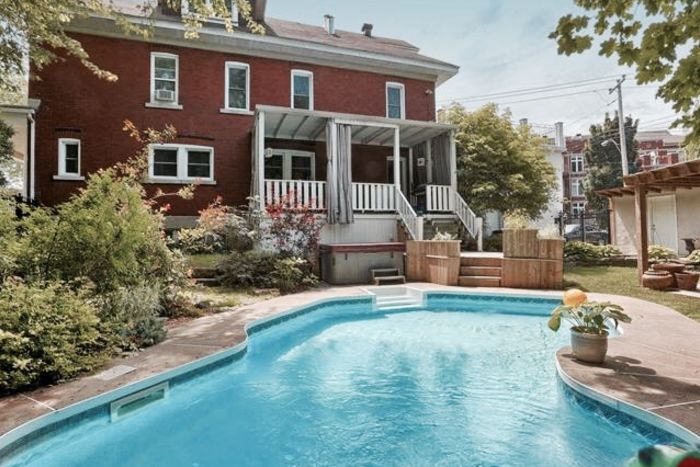
You might choose to attend a rehab facility in a larger city if you want to stay close to home, or just prefer urban environments. But even the large cities in Canada aren’t far from nature. For example, Andy’s House in Montréal is only minutes from the St. Lawrence River.
cytbbaf7ueh3ipineijt
Nestled in a quiet neighborhood, Andy’s House is steps away from one of Montreal’s largest rivers.

Montréal also has a thriving movie scene, and has been the set for several major films—including The Notebook and The Life of Pi. Perhaps this is why Andy’s House offers cinema therapy. During this unique form of treatment, clients watch movies whose characters’ experiences are similar to their own. These films can help you confront your own issues in a safe and supportive environment.

Although Toronto is the largest city in Canada,2 it still has plentiful green spaces. There are more than 1,600 parks in the city, making up almost 20,000 acres of land. Bellwood Health Services is steps from the lush and green Sunnywood Park. The secluded location amidst beautiful views of tall trees, green grass, and snaking pathways makes it hard to believe you’re still in a busy city. If you decide to attend a rehab center in Toronto, you’ll be close to both an urban environment and plenty of natural ones.

The Bright Side of Cold Winters

If you’re considering rehab in any of these areas, remember to consider Canada’s climate.3 The country experiences all 4 seasons, and the farther north you go, the longer the winters are. Most parts of the country experience temperatures below freezing for the majority of winter. There’s a reason Canada’s nickname is “The Great White North!”

However, the cold season does have its perks—like snow sports! Several centers offer fun winter activities, like snowshoeing, skiing, and snowboarding. The short, quiet days of the time of year can also provide a much-needed respite from the world at large. You can watch the snow falling outside your window, or go for brisk winter walks to soak up the peace that this season can offer.

If cold winter days still don’t appeal to you, it may be better to attend rehab in a warmer climate. This is especially true if you prefer to participate in activities like swimming and biking, which may be harder to find in Canada.

Canada Rehab Centers Foster a Spirit of Adventure

Canada’s highly accessible outdoor activities make it a great destination for adventure seekers. And it’s not just fun—adventurous activities are also good for your mental health,4 especially when done in natural environments. According to research, these activities have several benefits:

  • improved resilience and self-efficacy
  • Increased confidence after completing challenges
  • connectedness to nature
  • physical fitness
  • opportunities practice emotion regulation

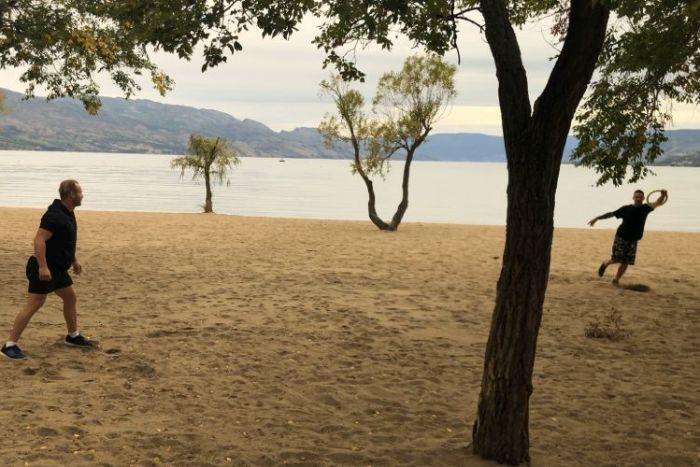
Numerous Canadian rehabs offer adventure outings and sports. At Valiant Recovery, for example, you can play golf, complete a ropes course, go ziplining, and more. They also offer rooftop therapy sessions, so clients can bask in the sunshine to release the stress of working through emotional traumas. Seabridge Foundation is just minutes from the coast in the beautiful Annapolis Valley of Nova Scotia. Among other outdoor adventures, they take clients whale watching, white water rafting, and skydiving.
ccrgcdzmqw9psyhtyzzw
Activities offered at Valiant Recovery in Kelowna, British Columbia, make the most of the outdoors.

Building Community During Recovery

Community is extremely important during the healing process. In his now-famous TED Talk, journalist Johann Hari says that “the opposite of addiction is connection.”5 While Hari isn’t a medical professional, he’s definitely right about one thing: the people you surround yourself with can have a huge impact on your recovery.

The Social Model Program

The “social model” is an approach that emphasizes the importance of peer support in residential rehab.6 While many centers offer group therapy and support groups, it’s less common for peer support to be the primary focus of residential rehab. The social model aims to bridge that gap. It prioritizes interpersonal relationships over individual treatment plans. Most social model recovery programs are founded on the same basic principles:

  • Residents both give and receive mutual support, relying on each other and not just trained caregivers.
  • A positive environment promotes abstinence from drug use.
  • 12-Step or non-12-Step support groups provide a framework for the healing process.
  • Residents can learn from each other’s knowledge and experience of recovery.

The Last Door, a rehab center for youth and adult males ages 13-30, utilizes the social model approach. In this program, expert providers “guide but do not drive the management process.” This empowers clients to define what healing means for themselves. Peers play a crucial role in each other’s learning, healing, and rehabilitation processes. Clients can also participate in the community through volunteerism and social outings. This focus on interpersonal skills not only helps you build new relationships; it can also help repair existing ones.

Healing Family Dynamics in Rehab

You’re probably not the only person in your family who can benefit from therapy. Addiction can be difficult for loved ones, too, including parents, children, and partners. Family therapy teaches you how to handle conflicts in a healthy way. It can also help participants process trauma in a safe environment. Family members learn how to support each other and move forward with more sustainable, happier relationships. In many rehab programs, friends and chosen family can partake in this form of treatment.

Sue knew something was different about her husband, but wasn’t sure what was causing his drastic change in behavior. Even after she learned about his cocaine addiction, it was a long and emotionally taxing 3 years before he agreed to seek help. Fortunately for both Sue and her husband, the Last Door offers programs for loved ones affected by addiction.

“I lost a part of who I was during that time,” Sue says. But through a family group that she attended with her husband, and a support group just for partners, Sue found herself again. She acknowledges that both groups were instrumental in her personal healing process, and that of her marriage. “I was able to heal, and he was able to heal,” she says. “You can move on and live life past addiction. That’s one really important lesson that we’ve learned.”

In family therapy, you and your loved ones can begin to repair your relationships—with each other, and with yourselves.

Canada Treatment Centers Focus on Aftercare

For most people, the healing process continues after rehab. Aftercare, also called continuing care, is an extremely important part of recovery.7 Research suggests that longer periods of aftercare result in a higher likelihood of abstinence from drug use, and sustained positive effects from treatment.

Many rehabs in Canada place an emphasis on continuing care, and provide ample resources for alumni. Aurora Recovery Centre in Manitoba helps each resident create a personalized strategy for continuing care at home.

Some clients aren’t ready to go home right after treatment. If you need more support, Aurora Recovery Centre also offers stepped-down care following residential rehab. You can stay on their property in transitional housing, or move off-site to one of their partner sober living homes. These settings can help you slowly reacclimate to life outside rehab.

Aurora Recovery
Aurora Recovery Centre’s transitional housing is located on their vast property near the shores of Lake Winnipeg.

In our increasingly technological world, online aftercare is getting more and more popular. When you finish rehab at iRecover Addiction Treatment Centers, you’ll get a tablet that comes pre-loaded with program content. Clients keep the device after finishing rehab, and can attend any of the 4 online, live 12-Step meetings that happen each day. You can also use your tablet to stay in touch with fellow participants after the program ends.

How to Get to Canada

Traveling to and within Canada is simple. From the U.S., you can just drive across the border, or fly into one of Canada’s many airports. Because Canada is so large—by area, it’s the second biggest country in the world—you may prefer to fly, even if you already live there.

To make travel less stressful, most treatment facilities offer transportation directly to and from the airport. However, it’s important to check with your rehab’s admissions team before making any plans. They can help you choose the best way to get to their facility.

Canada’s Rehab Centers Utilize the Power of Nature to Aid in Healing

In Canada’s treatment centers, you’re never far from peaceful natural settings. That’s true whether you choose a rehab deep in the forest or in the middle of a bustling city. With an emphasis on building community and robust aftercare, addiction treatment here can be the right fit for a great many people.

Ready to take that first step? See pricing and insurance information, center photos, reviews, and more and connect directly with rehabs via our directory of rehabs in Canada.

From Jungle Therapy to Ocean Views: Costa Rica’s Revolutionary Rehab Experience

Home to verdant jungles, mesmerizing beaches, and a laid-back approach to life, Costa Rica has long been recognized as a prime destination to relax and recharge. Visitors flock to its white sand beaches to embrace the slow life. Adventure-seekers have an exciting menu of excursions to choose from. Boasting some of the most biodiverse-rich rainforests on Earth, the country offers a rare glimpse into nature’s unseen world.

With so much to experience, it’s no wonder that Costa Rica is a top international destination.

If you want your recovery journey to be as memorable as it is therapeutic, rehabs in Costa Rica could be a good fit for you.

There are two primary luxury rehab centers in the country: Costa Rica Recovery and Costa Rica Treatment Center. Both programs are enriched with experiential adventures that make the most of Costa Rica’s unique landscapes. Their rehab staff often reflect the country’s positive, friendly culture. On top of that, both centers offer affordable luxury treatment programs.

Restore and Renew: Lush Landscapes, Soulful Adventures, and Sunshine

From shimmering sandbanks in the northwestern region to vibrant green rainforests in the central to the south pacific coast, Costa Rica’s diverse landscapes continue to lure in visitors from around the world. And it’s not just your everyday traveler who benefits from the country’s varied scenery. If you’re looking for a place to start your recovery journey, Costa Rica has something for everyone, from beach settings and rainforests to mountains and metropolitan cities.

costa rica recovery balcony
Therapeutic activities at Costa Rica Recovery include whale watching and white-water rafting through class-4 rapids.

Complete Immersion in Nature

Some of the world’s most biodiverse rainforests are set in Costa Rica. Corcovado National Park, known as “one of the most biologically intense environments on earth” by the National Geographic Society, is home to a unique ecosystem: wet forests, rivers, lagoons, marshes, over 500 types of trees, 140 mammal species, and more. This habitat offers a complete multisensory experience that goes beyond just the visual senses, bringing you even more healing benefits. A study in the International Journal of Environmental and Public Health found that non-visual avenues are important for delivering nature’s therapeutic benefits.

Some rehabs in Costa Rica let you experience the wonders of Corcovado National Park firsthand. Both Costa Rica Recovery and Costa Rica Treatment Center hold outings to the globally-acclaimed nature preserve.

Therapeutic Excursions

Adventure trips are a highlight of Central America and Costa Rica rehabs take advantage of the unique outings available in their area. White water rafting, hiking trips, and whale watching are just a few of the many experiences on offer.

Specifically, outdoor adventures can foster mindfulness and increase self-sufficiency.1 On top of that, experiential therapies provide profound benefits that may not be as accessible through talk therapy alone. Through these experiences, you can learn how to overcome challenges, actively work through your emotions and connect with the world around you, among other fulfilling outcomes.

Experiential therapy can also help make abstract ideas more tangible.2 For example, if you’re engaging in a therapeutic activity, like rock climbing, and an experience elicits a stress response, you’re better able to analyze your emotions and choice of actions immediately following that response. These emotions may not have been as apparent if you didn’t have the opportunity to work through feelings that surface during certain activities and experiences.

Warm, Tropical Climate

For visitors seeking respite from the cold, Costa Rica’s consistently warm weather is a welcome change. Temperatures average around 80°to 90° Fahrenheit by the coasts and 75°to 80° inland and near the mountains. With regularly temperate weather, you’re able to enjoy the outdoors no matter the time of year.

Unforgettable Experiences in Costa Rica

When you think of the typical rehab experience, talk therapy is probably the first thing that comes to mind. While psychotherapy is a key component of the recovery process, other types of treatments can also support healing. Experiential therapy is one way to actively work through your emotions, connect with your body and with nature, and develop important problem-solving skills.

costa rica treatment center rooms
Costa Rica Treatment Center offers equine therapy and outings to a globally acclaimed nature preserve.

Costa Rica rehabs provide excursions and activities that take advantage of the country’s unique offerings:

Equine Therapy
Equine therapy involves working with horses through a series of ground-based activities. Rather than riding horses, you learn how to form bonds with horses through groundwork like lunging, or leading the horse around an arena. Costa Rica Treatment Center offers equine therapy on a beautiful, 84-acre elevated eco-tourist destination called Finca La Piedra.

Jungle Treks
Regarded as one of the world’s most biodiverse countries, Costa Rica’s jungles are a rich realm of flora home to a kaleidoscope of creatures. At rehabs in Costa Rica, you have a once-in-a-lifetime opportunity to hike through world-famous national parks in the Osa Peninsula.

White Water Rafting
No matter where you are in Costa Rica, adventure is a stone’s throw away. You can even try your hand at white water rafting with Costa Rica Recovery, where you’ll be taken on a guided tour through class-4 rapids.

Whale Watching
Known as the place where the rainforest meets the sea, there’s no place on earth quite like Costa Rica’s southwestern peninsula. Here, Costa Rica Recovery takes you on unforgettable whale-watching excursions at the secluded Drake Bay.

The Land of “Pura Vida”

In Costa Rica, pura vida is a way of life. Translating to “pure life”, the term reflects the country’s easy-going culture of optimism, positivity, and celebrating the good in life. Pura vida could be the reason why Costa Rica tops all other Latin American countries in the World Happiness Report list.3

The people of Costa Rica are known for being friendly and laid back. Vibrant communities can provide an antidote to isolation, and the ability to enjoy simple pleasures is a way to enhance your quality of life.

pura vida
In Costa Rica, pura vida is a way of life.

Staff at Costa Rica treatment facilities often reflect the friendliness of the country’s people. This warm, inviting atmosphere can make a big difference in your rehab experience. Building close bonds with the staff at a treatment center can make you feel comfortable, more at home, and therefore potentially more receptive to therapies. According to Costa Rica Treatment Center, “most former clients become friends and remain in close contact with their staff for years to come.”

And if you need Spanish-speaking therapists, both Costa Rica Recovery and Costa Rica Treatment Center have bilingual staff members.

Discover Affordable Recovery Options in Costa Rica

The cost of addiction treatment in the U.S. and Northern Europe can be a barrier to treatment for some people. The majority of addiction treatment centers in the U.S. start at $25,000 to $50,000 for a 30-day program, though it’s good to remember that most of these rehab centers do accept insurance.

If you’re looking for lower upfront costs, or you don’t have insurance, rehab in Costa Rica could be a good option for you. Addiction treatment centers in Costa Rica offer a more affordable alternative to rehabs in Northern Europe and the U.S.

The cost of rehab in Costa Rica tends to be under $10,000, with some programs priced under $5,000.

Recover Amidst Lush, Tropical Settings

Costa Rica’s leafy landscape provides a unique treatment setting. Costa Rica Treatment Center, for example, is located on lush grounds surrounded by vibrant tropical flowers and greenery.

costa rica treatment center outdoor dining
The grounds of Costa Rica Treatment Center are dotted with tropical greenery.

For city dwellers in colder climates, this setting is a welcome break from their everyday environment. Not only is a change of scenery linked to enhanced happiness,4 but being outdoors in warm weather is proven to improve mood and memory.5

Treatment centers in Costa Rica tend to take advantage of the country’s sunny weather and abundant vegetation. You’ll find amenities like green gardens ripe for daily walks, outdoor courtyards, and yoga and meditation areas with a tropical touch.

Traveling to Rehab in Costa Rica

Juan Santamaria International Airport (SJO) is the primary airport serving San José, the capital city of Costa Rica. SJO is accessible from most major airports in the United States and Europe.

Addiction treatment centers that are located in San José may offer pick-up services from the airport. Costa Rica Recovery offers pick-up services from SJO airport and is a 15 to 20-minute drive away. Meanwhile, Costa Rica Treatment Center is also a 15 to 20-minute drive from the airport, in a quiet upscale neighborhood.

Costa Rica: A Beautiful Setting to Start Your Recovery

Known as Central America’s ecological gem, Costa Rica offers a treasure trove of experiences that can make your recovery journey one to remember. If you’re looking to heal amidst lush, tropical surroundings, and the pura vida lifestyle speaks to you, then going to a rehab in Costa Rica could be a great option.

To mark the first step of your recovery journey, view our collection of rehabs in Costa Rica.


Frequently Asked Questions About Rehab in Costa Rica

What are the costs of rehab in Costa Rica?

The cost of rehab in Costa Rica varies depending on the type of treatment, length of stay, and level of care. You can expect to pay around $10,000 for a 30-day program, with some programs priced under $5,000. On average, rehabs in Costa Rica are more cost-effective than in the United States.

What are the benefits of rehab in Costa Rica?

Costa Rica is a beautiful country with a warm climate and a relaxed lifestyle. This can make it a great place to recover from addiction. Rehabs in Costa Rica offer a variety of experiential therapies, from jungle treks and rock climbing to whitewater rafting. Centers here are usually set in beautiful locations that promote relaxation and healing.

How can I choose the right rehab in Costa Rica?

• Consider your specific needs and goals for treatment? 
Consider your budget: How much can you afford to spend on treatment?
• Consider the location: Where do you want to go to rehab? Do you want a more remote location?
• Do your research: Read reviews of different rehabs in Costa Rica. Ask your therapist and other people in your network about treatment there.